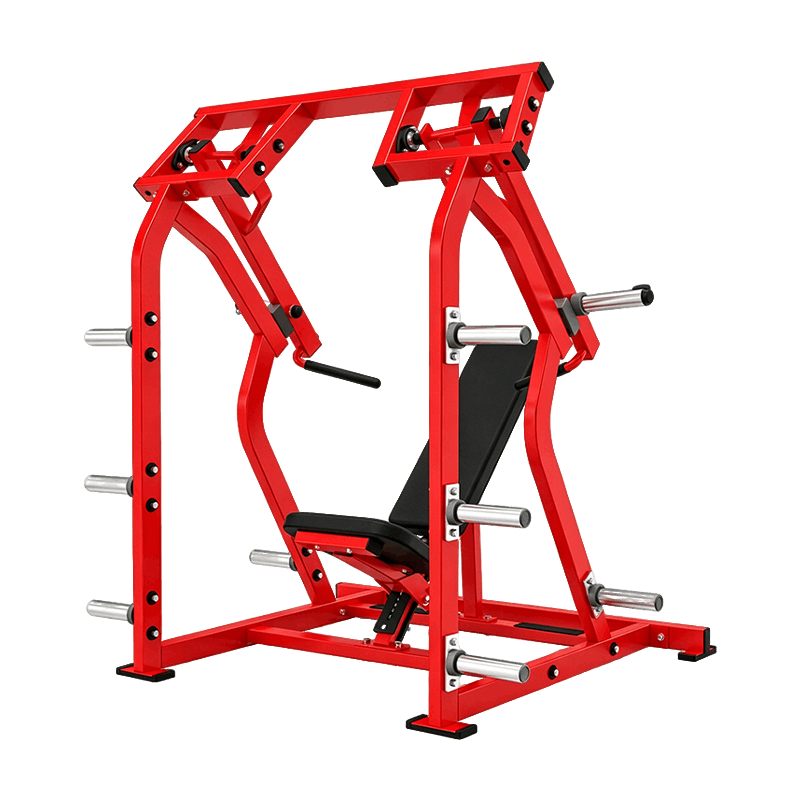
Table of Contents
A shoulder strength machine earns its place in a commercial gym when members can set it up, use it for its intended purpose, and share it efficiently. Choosing one requires more than comparing frame colors or the size of the advertised load. The seat, handle position, movement path, starting resistance, adjustment process, and surrounding space all affect whether the station fits your facility.
For gym owners and procurement teams, the central question is practical: which exact model serves the intended users without creating unnecessary setup, circulation, or maintenance problems? A suitable answer can differ between a coached studio, a busy membership gym, and a hotel fitness room. The same impressive-looking machine is not automatically the best choice for all three.
This guide provides a model-level evaluation process. It covers shoulder press formats, a supervised trial, floor planning, supplier questions, and the records you should keep before purchase. It does not replace an individual exercise assessment or the operating instructions supplied with the equipment.
Define the role of the shoulder strength machine
Begin by describing what the station is supposed to add to the gym. You may need a guided pressing option, more capacity during peak hours, or an alternative to a crowded free-weight area. Each objective suggests different priorities. A second pressing station might solve a queue, while a new loading format might serve members who prefer a different setup process.
Check the existing equipment before deciding that a gap exists. Record which stations members use for overhead pressing, whether those stations are frequently occupied, and how staff introduce them. Look for persistent problems, such as users struggling to adjust a seat or leaving plates on a machine. These observations create a stronger brief than a preference based only on a product photograph.
Describe success in observable terms. For example, staff should be able to explain the setup clearly, the intended users should have suitable adjustments, and the operating envelope should fit the proposed location. Do not define success as a guaranteed training result; equipment supports a program, but the outcome depends on how it is used.
Distinguish shoulder presses from similar-looking machines
Catalogs contain seated chest presses, incline presses, shoulder presses, and other machines with related visual features. The presence of a seat and two handles does not make them interchangeable. Check the exact model name, intended exercise, instructions, and movement arrangement before using an image or price as the basis for comparison.
An incline chest press should not be presented as a dedicated shoulder press simply because its handles move upward. Likewise, a pulldown or rear-shoulder station serves a different role from an overhead pressing machine. A clear exercise map helps you avoid buying several stations that overlap while leaving another intended role uncovered.
The Zhining Fitness HM range lists a dedicated ZN-2011 shoulder press, while the MTS range lists Q-3074. Use those model identities to start a conversation about the current configurations. Confirm the loading method and supplied features for the exact quotation rather than relying on an older image filename.
Compare plate-loaded and selectorized formats
Plate-loaded equipment changes external load by adding or removing compatible plates. Selectorized equipment normally uses a built-in stack and a selection mechanism. This distinction changes the work around the station: retrieving plates, checking the selector, storing accessories, and resetting the equipment for the next member.
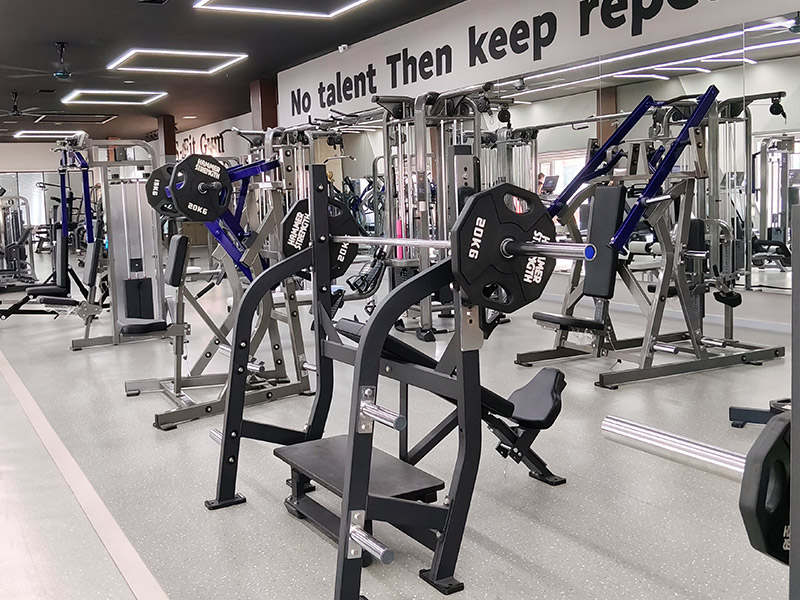
For a plate-loaded shoulder strength machine, inspect loading-point access and discuss the unloaded starting characteristics with the supplier. Consider whether intended users can handle the required plates and whether storage is conveniently located. Include those plates and storage provisions in the equipment plan rather than treating them as unrelated purchases.
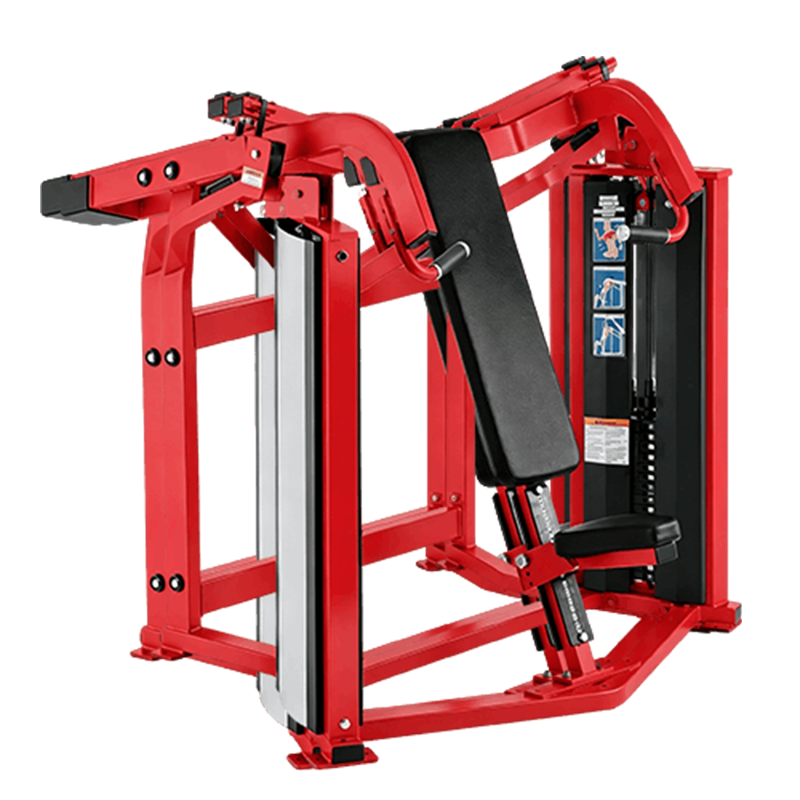
For a selectorized station, review the selector’s visibility, the available adjustment steps, and the explanation of the displayed values. A convenient selector does not establish that the seat or handles fit every user. Compare the whole model. For a wider purchasing framework, our guide to commercial shoulder press selection explains the broader commercial context.
Assess the seat and back support together
Seat adjustment changes the relationship between the member and the machine. During a supervised trial, ask whether users can reach the controls, identify the settings, and secure the seat according to the manual. Observe the adjustment process with people of different sizes who represent your expected membership. A setting that suits one evaluator does not establish a suitable range for the whole facility.
Review the back support, seat surface, and entry space as a group. Ask whether the machine allows the intended exercise setup described by its manufacturer and whether users can get into and out of that setup without unnecessary difficulty. Check that the adjustment instructions are readable from a useful position rather than hidden behind the member’s body.
Record the limits observed in the trial without making medical conclusions. If a person cannot find a comfortable permitted setup, do not force the fit by improvising pads, changing hardware, or using an undocumented movement. A qualified professional can help identify another exercise option. The purchasing decision should recognize who the model serves and where its practical limits lie.
Review handles, entry, and the starting position
Handle shape and location influence how users approach a machine, but there is no single handle position that guarantees a suitable experience for everyone. Ask the supplier which grip options are intended and how those options change the setup. Check that a member can reach the handles from the prescribed position without first performing an awkward, heavily loaded movement.
Where a starting-position adjustment or assistance mechanism is supplied, have staff demonstrate it according to the manual. Observe how it is engaged, released, and explained. Controls should be evaluated as part of normal use, not only while the station is empty and a salesperson is standing beside it.
Keep notes on both the exercise and the transitions around it. Entry, adjustment, beginning the movement, returning the equipment, and exit are separate stages. A machine may feel acceptable during repetitions yet still be inconvenient for the people who must set it up. This is why a complete trial is more informative than a short demonstration of the moving arms.
Evaluate movement without relying on marketing labels
Terms such as independent arms, converging paths, or ergonomic movement describe features that deserve examination, not an automatic purchasing verdict. Ask what the feature means on the exact model and have it demonstrated. Independent arms, for example, do not tell you the unloaded resistance, the adjustment range, or how the handles are positioned for a particular user.
Compare stations through the same evaluation process. Use the manufacturer-approved setup, appropriate supervision, and manageable resistance. Ask participants to describe what they observe rather than choose a winner immediately. Comments about reach, adjustment clarity, movement consistency, and entry can be more actionable than a broad statement that one machine feels premium.
Avoid promises that a guided path prevents injury or corrects a particular condition. Equipment selection is not a diagnosis. If pain, unusual symptoms, or a known limitation affects a user’s trial, stop that trial and refer the matter to an appropriately qualified professional. For the buyer, the useful outcome is a clearly documented fit and operation assessment.
Understand load numbers before comparing them
Two machines displaying the same number may not provide the same experience at the handles. Lever arrangements, pulley systems, starting resistance, and the way the manufacturer labels the load can differ. Ask what the stated values represent and how they should be used in the operating instructions. Do not treat a larger number as proof of a better commercial machine.
For plate-loaded equipment, distinguish the amount of external plate loading from the machine’s own movement characteristics and any specified capacity. For selectorized equipment, distinguish the selected stack setting from a measurement taken at another point in the mechanism. Keep the supplier’s explanation with the model specification so staff can communicate consistently.
Consider the intended users at both ends of the practical range. Check whether the starting setup is manageable and whether the available settings support the facility’s intended use. You do not need to test a machine at its maximum advertised load to make this assessment. Any testing beyond normal supervised use belongs with qualified people following the appropriate procedure.
Plan the complete operating space
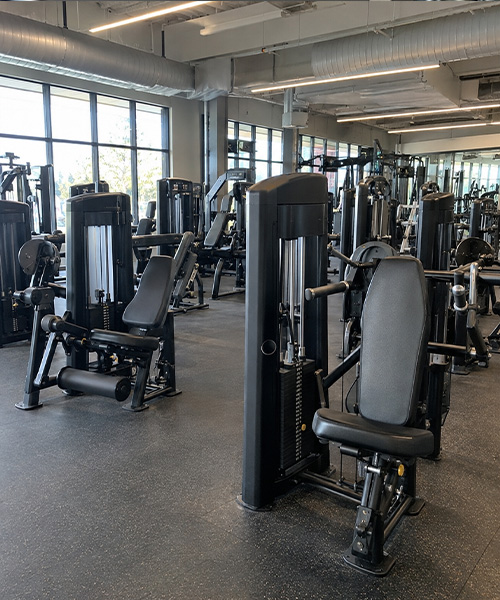
Request the installed dimensions and the model’s operating and service clearance requirements. Draw the machine with its movement envelope, entry path, and adjustment access on the gym plan. A frame that fits neatly between two walls may still leave poor access to the seat or place another member in the path of a moving component.
Add plate storage if the station needs it. Think through how someone retrieves and returns plates while other members move through the area. For a selectorized station, preserve access needed around the stack, guards, and service points. Avoid using required operating space as convenient storage for benches, cleaning equipment, or spare attachments.
Review the location during the gym’s busiest period. Nearby dumbbell users, a class queue, or people resting beside another station can change the usable space. These observations should inform the layout discussion. For room-wide planning, the complete gym project guide can help connect a single-machine purchase with the wider facility.
Design for clear member handovers
Imagine one member finishing a set and the next preparing to use the station. Which settings must change? Where do the previous user’s plates or accessories go? Can the next person understand the adjustment controls without looking around a crowded room for help? These small steps influence peak-hour use as much as the appearance of the frame.
Ask staff to run through a realistic handover during the trial. Include restoring the equipment to its expected condition and checking that the next user follows the instructions. Record unclear labels, difficult-to-reach controls, or storage arrangements that encourage clutter. The aim is to identify operational friction before the machine arrives on a busy gym floor.
Create a short introduction for members after installation. It should cover the model’s setup, adjustments, intended use, and the way to report a problem. Keep the manufacturer’s instructions available. A staff introduction can help users navigate a new station, but it should not introduce undocumented techniques or claim that the equipment is appropriate for every individual.
Examine inspection and service access
Ask how the model is inspected, cleaned, and serviced. Identify which observations floor staff can make and which tasks are reserved for trained technicians. Review access to adjustment points, moving joints, pads, guards, and any cable or stack mechanism. A machine’s maintenance requirements should be understood before it becomes part of a full room.
Request the manual and parts identification system. Confirm how to report a fault and what information the service team needs. Keep the serial number, installation date, and supplier details in the equipment register. Similar-looking replacement parts should not be treated as interchangeable without confirmation for the exact model.
For context on equipment safety documentation, ISO’s stationary training equipment overview describes the general standard’s scope. Ask the supplier which requirements and supporting reports apply to the selected station and destination. A product label, website badge, and independent report are different forms of information; establish what each actually covers.
Run a structured trial and record the result
Choose evaluators who reflect the facility’s intended users and include the staff who will introduce the machine. Use a simple sheet covering setup, adjustment reach, handle access, entry and exit, intended movement, changeovers, and the surrounding space. Provide room for specific observations and unresolved questions rather than only a numerical rating.
Apply the same process to each shortlisted model. Record the exact configuration and any difference from the quoted production version. If one station is tried with optional handles or a different pad, identify that difference before comparing the results. The purchasing team needs to know whether it is comparing actual alternatives or accidentally comparing different accessory packages.
Close the trial with a clear decision: suitable for the stated brief, suitable subject to specified changes, or unsuitable for that brief. Assign owners to open questions. A supplier may be able to explain a setting or offer another model, but an unanswered issue should remain visible rather than disappear into an enthusiastic discussion about delivery dates.
Compare the quotation and delivery requirements
Request a quotation that identifies the exact station, included accessories, configuration, packaging, and installation responsibilities. For a plate-loaded option, list the compatible plates and storage included in the scope. For a stack-based option, list any quoted additional accessories separately. This prevents a total-price comparison from concealing materially different packages.
Discuss the route from the unloading area to the training floor. Ask for packing dimensions and handling information and compare them with confirmed door, corridor, and lift restrictions. Clarify assembly requirements and arrange appropriate personnel. A suitable exercise station still needs a workable installation plan before it can serve members.
Ask for written warranty and support information alongside the commercial offer. Establish who handles a damaged shipment, an installation issue, and a later wear-part request. These may be different processes. A clear answer is more useful than an undefined promise of comprehensive service, particularly when the manufacturer and facility are in different countries.
Build a decision sheet your team can use
Summarize the evaluation in one page per model. State the intended role, confirmed configuration, trial findings, operating-space requirements, included items, service arrangements, and unresolved conditions. Attach the detailed notes rather than forcing every observation into the summary. The result should allow a manager who missed the demonstration to understand the recommendation.
Weight the criteria to match the facility. A coached studio may emphasize staff-led adjustments and flexible programming, while a busy membership gym may place more weight on clear handovers and straightforward load changes. Neither approach excuses an unresolved fit, instruction, or installation problem. Mandatory requirements should remain mandatory when the scores are totaled.
Choose the shoulder strength machine that best answers the documented brief. Retain the evaluation after purchase and revisit it during the first weeks of operation. If members repeatedly struggle with a setting, improve the introduction or seek the supplier’s advice. A considered selection process continues through installation and staff orientation, rather than ending when the order is placed.
Prepare a clear installation handover
At delivery, compare the equipment identity and included items with the approved order. Keep a record of visible shipping issues and follow the agreed reporting process. Have the appropriate people complete assembly, positioning, and the checks required by the manufacturer. A machine should not enter member use simply because the packaging has been removed or the gym’s opening date is approaching.
Ask the staff team to demonstrate the introduction using the installed station. Confirm where the manual is stored, how a fault is reported, and who decides whether equipment is removed from use. Give the equipment register its model and serial number before the first service request, when those details are easiest to collect accurately.
Use an early operating review to close the loop. Compare member questions and staff observations with the original selection criteria. If the machine serves a narrower range of users than expected, discuss appropriate alternatives and clearer guidance with qualified staff. Keep those findings for the next purchase. The value of the trial increases when its conclusions can be checked against actual operation.
If you need fitness equipment or other services, please contact us!
Email: zhiningfitnessoffical@zhiningfitness.com
WhatsApp: +86 17852510552
Facebook: https://www.facebook.com/profile.php?id=61594381827546
Conclusion
The right shoulder strength machine fits a documented commercial role and the intended users. Compare exact models through a supervised trial, paying attention to the complete setup and handover process as well as the pressing movement. Confirm operating space, loading arrangements, instructions, installation, and service support before ordering. Keep the evidence in a practical decision sheet and review it after the station enters normal use. This approach makes the purchase easier to explain, the staff introduction more consistent, and future equipment decisions better informed by what actually happens on the gym floor.
FAQ
What is the first thing to check when buying a shoulder strength machine?
Define the station’s role and evaluate whether the exact model offers suitable manufacturer-approved adjustments for the intended users. Include entry, handle access, the starting arrangement, and exit in a supervised trial. Appearance and advertised load are less useful when the basic setup does not answer the facility’s brief.
Is a selectorized shoulder press always better than a plate-loaded model?
No. Compare the complete models and the facility’s operating needs. A selector can simplify changing a setting, while plate loading requires suitable plates, handling, and storage. Both formats still need a fit review, clear instructions, workable operating space, inspection, and appropriate support for the intended users.
Can an incline chest press replace a dedicated shoulder press?
They are different stations with different intended roles. Confirm the manufacturer’s exercise description and setup for each exact model instead of classifying it by appearance. Whether the facility needs one or both depends on the planned equipment mix, member demand, available space, and qualified programming decisions.
How much space does a shoulder press machine need?
Use the installed dimensions and the operating and service clearances supplied for the exact model. Include movement, entry, adjustment access, and any plate handling or storage. The machine’s frame footprint alone does not establish the space needed for normal operation in a busy commercial training area.
What should a shoulder machine trial include?
Use appropriate supervision and the model’s instructions. Observe representative users adjusting the seat, accessing handles, entering the prescribed setup, changing resistance, finishing, and leaving. Record specific findings and open questions. A trial supports selection for a stated brief; it is not a clinical assessment or proof of suitability for everyone.