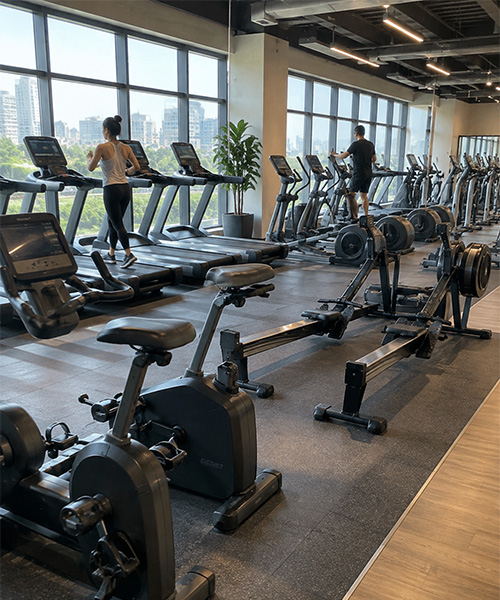
Table of Contents
Commercial gym equipment maintenance starts with a repeatable process: inspect equipment, record defects, remove unsafe units from use, and follow the instructions for each model. For gym owners and facility managers, a clear checklist helps staff notice small changes before those changes disrupt the training floor.
This guide explains how to organize daily observations, scheduled inspections, service records, and spare-parts planning. It is an operating framework rather than a replacement for the equipment manual. Inspection intervals, cleaning products, lubrication points, and replacement criteria must come from the manufacturer for the specific machine.
Build an equipment register first
Give every machine a unique asset ID. Record its model, serial number, location, installation date, supplier, manual location, and warranty contact. Add the relevant service history and identify who is responsible for checking it. Without this register, two similar machines can easily be confused when a technician orders a part.
Keep the register accessible to the people working on the gym floor. A simple shared record is useful when staff can quickly identify the affected machine and attach a clear description of the fault. Avoid storing service information only in one employee’s messages.
Daily commercial gym equipment maintenance checks
Before the facility opens, look for visible damage, missing components, loose-looking connections, damaged upholstery, and obstructions around equipment. Check that instructions and warning labels remain readable. Report unusual movement, noise, or resistance instead of assuming that these are normal signs of use.
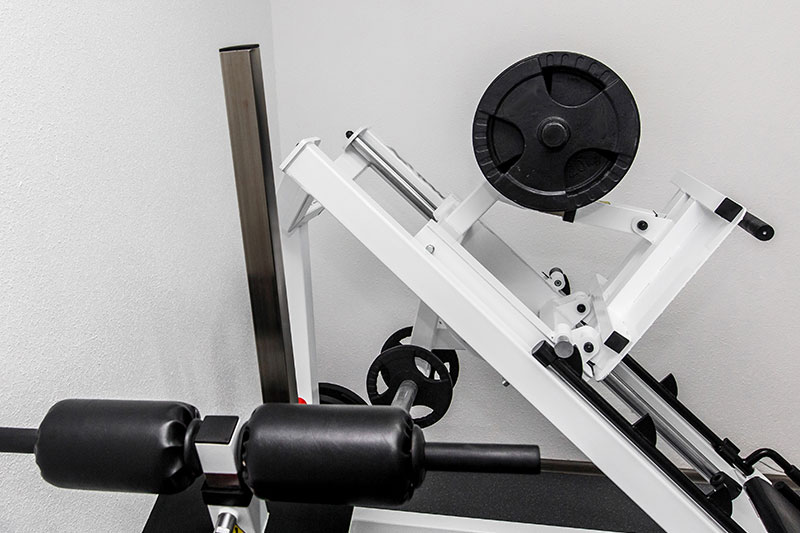
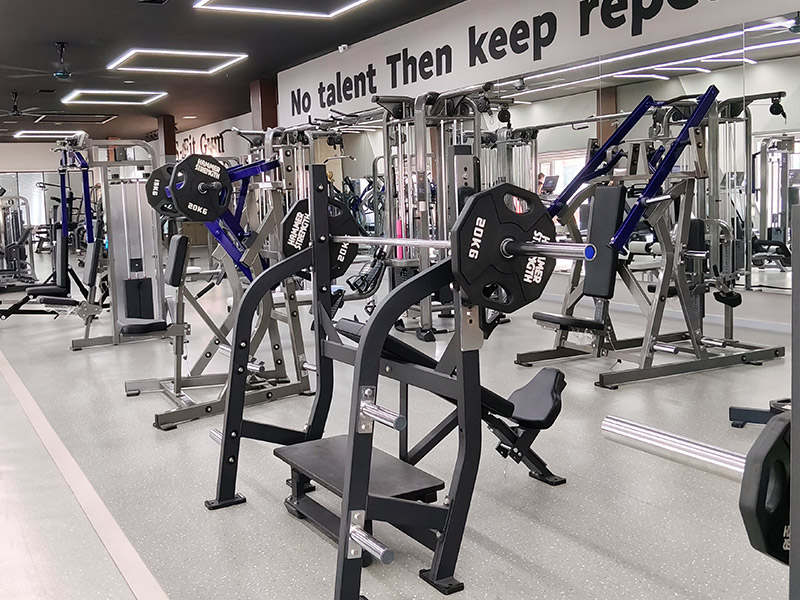
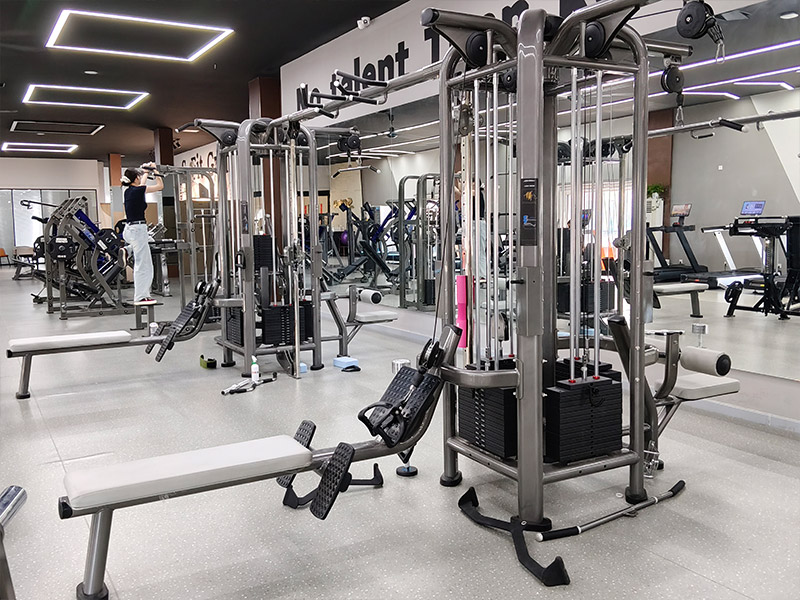
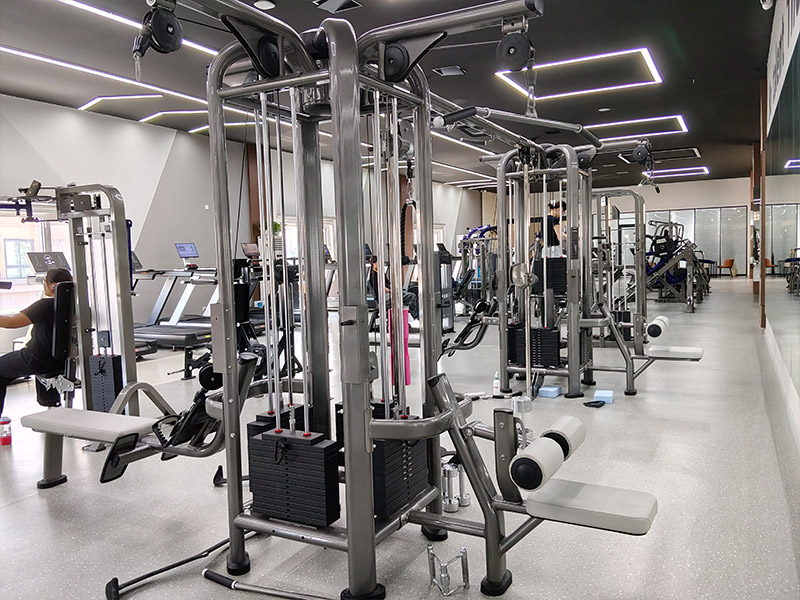
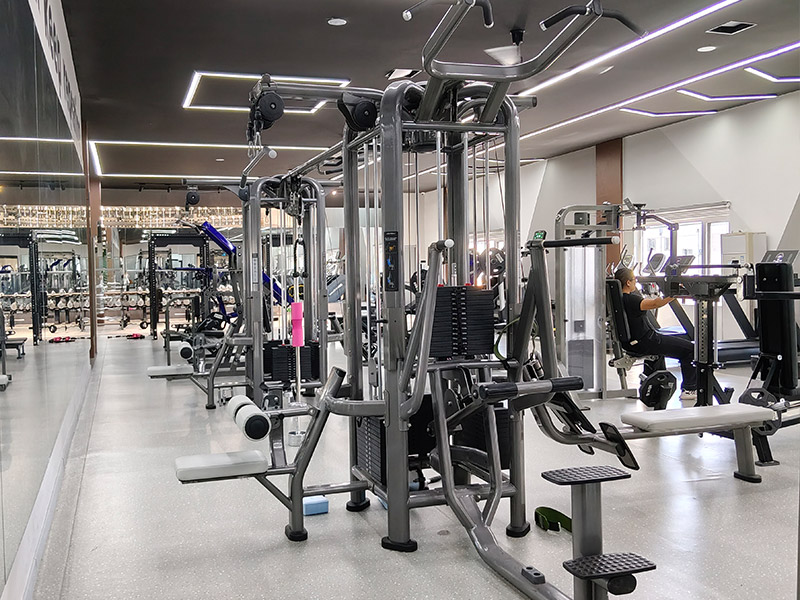
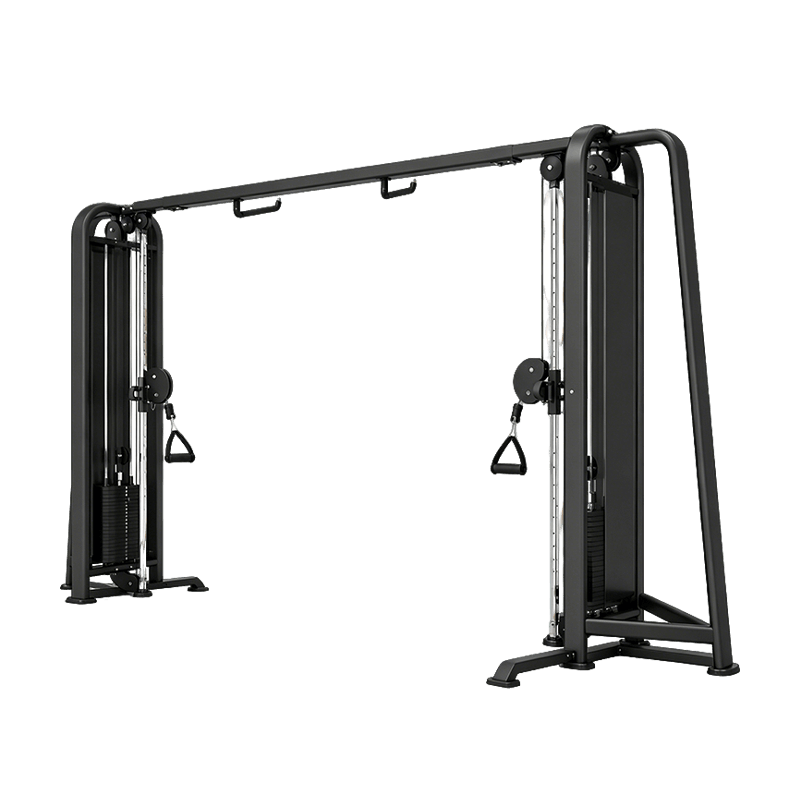
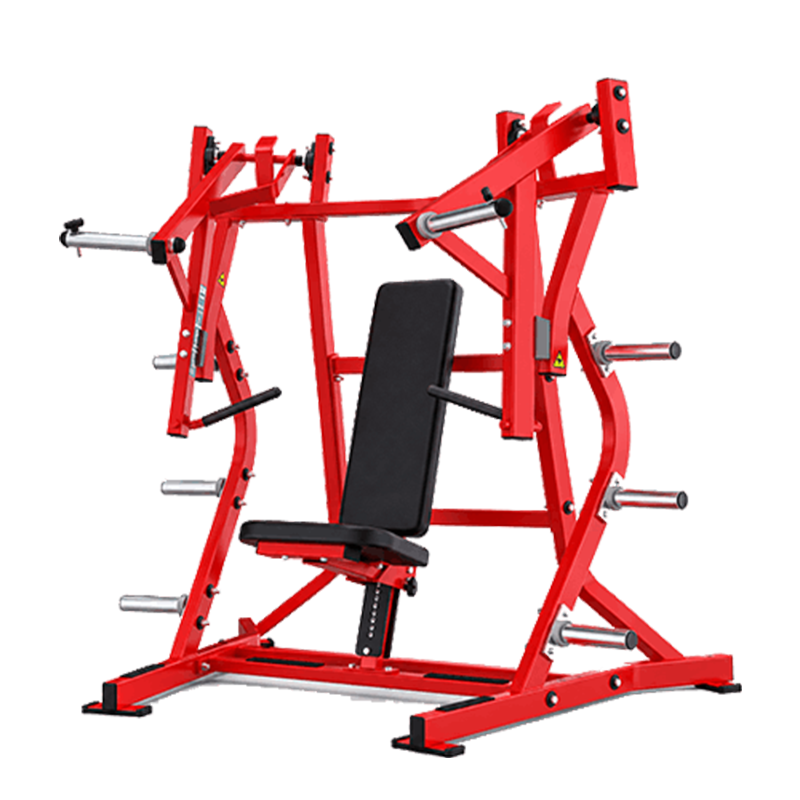
For cable machines, look for visible cable damage and problems with accessible attachments. For selectorized machines, check that the supplied selection pin and guards are present. For plate-loaded machines, inspect accessible loading points and the surrounding plate-storage area. Use the model’s instructions to determine what checks staff may perform and what requires a trained technician.
Clean contact surfaces using products and methods approved for the equipment. Do not spray liquid directly into bearings, electrical components, or adjustment mechanisms. Keep floors around machines clear, and return loose accessories to their designated storage locations.
Schedule detailed inspections from the manual
Set inspection tasks and frequencies for each model using its manual, usage level, and service advice. A heavily used station may need more attention than a similar machine in a quiet area. Do not apply one generic tightening torque or lubrication schedule to every unit in the facility.
A qualified person should complete the work reserved for service staff. Depending on the machine, this can include checking specified fasteners, cable routing, pulleys, adjustment mechanisms, moving joints, and wear components. Record what was checked, the result, any parts used, and the next action.
Use a clear stop-use and repair process
When a defect could affect safe operation, remove the machine from service and prevent member use according to the facility’s procedure. Label the affected asset clearly and notify the responsible manager. A handwritten report that never reaches the service team does not resolve the problem.
Send the supplier the asset ID, model and serial number, a concise fault description, and relevant photographs. Explain when the issue appears and whether the machine has been taken out of service. Do not ask staff to reproduce a potentially unsafe fault for a video.
Return equipment to use only after the necessary repair and checks have been completed by an appropriate person. Record the repair date, technician, work completed, and release decision. Keep replaced-part details so recurring faults can be investigated.
Keep a maintenance log that leads to action
Use these fields in each log entry: date; asset ID; inspector; observation; operating status; action owner; target date; completion date; and service reference. “Checked” is less useful than a specific result that another employee can understand.
Review open issues during staff handovers. Repeated reports of the same noise or adjustment problem should prompt investigation, even if the machine appears to work during a brief inspection. Track unresolved faults separately from completed routine cleaning tasks.
Plan spare parts and supplier support
Ask the supplier which consumable or wear parts apply to your exact models, how they are identified, and how replacements are ordered. Confirm compatibility before purchasing cables, pins, pads, or attachments. Similar appearance does not establish that a part is suitable.
When evaluating a new supplier, discuss documentation, parts availability, service responsibilities, and the information required for a warranty claim. Our guide to finding a reliable gym equipment manufacturer provides a useful starting point for that conversation.
Make maintenance part of purchasing decisions
Before buying another machine, consider whether staff can inspect it easily, whether adjustment points are understandable, and whether manuals and spare-parts information are available. Purchase price is only one part of the operating decision. Planned service, repairs, staff time, and equipment downtime also matter.
If you are planning several stations together, review the equipment mix and support arrangements as one project. Read our guide to gym equipment selection and project delivery to prepare a more complete project brief.
Prepare your maintenance brief
Start with your equipment register, gather the model-specific manuals, assign inspection responsibilities, and create a visible route for reporting defects. Review the process after repairs or changes to the gym floor. A useful commercial gym equipment maintenance plan is one that staff can follow consistently and that produces a documented response when something needs attention.
If you need fitness equipment or other services, please contact us!
Email: zhiningfitnessoffical@zhiningfitness.com
WhatsApp: +86 17852510552
Facebook: https://www.facebook.com/profile.php?id=61594381827546
Conclusion
Regular commercial gym equipment maintenance is essential for keeping fitness facilities safe, reliable, and efficient. By following a consistent maintenance checklist, gym owners can identify potential problems early, reduce equipment downtime, and extend the service life of their machines. From daily cleaning and visual inspections to scheduled lubrication, fastener checks, and professional servicing, every step contributes to better equipment performance.
Effective commercial gym equipment maintenance also helps reduce unexpected repair costs and creates a safer, more comfortable training environment for members. Whether you operate a small fitness studio, a commercial gym, or a large fitness center, establishing a clear maintenance schedule is a practical investment in long-term operations. Choose durable commercial gym equipment, follow the manufacturer’s maintenance guidelines, and keep detailed inspection records to ensure your equipment continues to deliver reliable performance.
FAQ
How often should commercial gym equipment be maintained?
Commercial gym equipment should be inspected daily for visible damage, loose parts, and cleanliness. More detailed inspections should be performed weekly or monthly, depending on usage and the manufacturer’s recommendations. Professional servicing should follow the maintenance schedule specified by the equipment manufacturer.
What does commercial gym equipment maintenance include?
Commercial gym equipment maintenance typically includes cleaning surfaces, inspecting cables and pulleys, checking bolts and fasteners, lubricating moving parts, testing safety features, and examining electrical components on cardio machines. Regular maintenance helps prevent equipment failures and maintain safe operation.
Why is commercial gym equipment maintenance important?
Commercial gym equipment maintenance helps improve user safety, extend equipment lifespan, reduce repair expenses, and minimize downtime. A well-maintained gym also provides a more professional training environment and helps protect the investment made in fitness equipment.
How can gym owners reduce commercial gym equipment maintenance costs?
Gym owners can reduce commercial gym equipment maintenance costs by following a preventive maintenance schedule, training staff to identify early warning signs, using manufacturer-approved replacement parts, and addressing minor problems before they become major repairs. Keeping maintenance records also helps identify recurring issues and plan equipment servicing more effectively.
When should commercial gym equipment be repaired or replaced?
Commercial gym equipment should be repaired when components become worn, damaged, or unreliable but can still be restored safely. Replacement may be necessary when equipment has serious structural damage, repeated failures, unavailable spare parts, or repair costs that outweigh its remaining value. Always stop using unsafe equipment until it has been inspected and repaired by a qualified professional.