Introduction
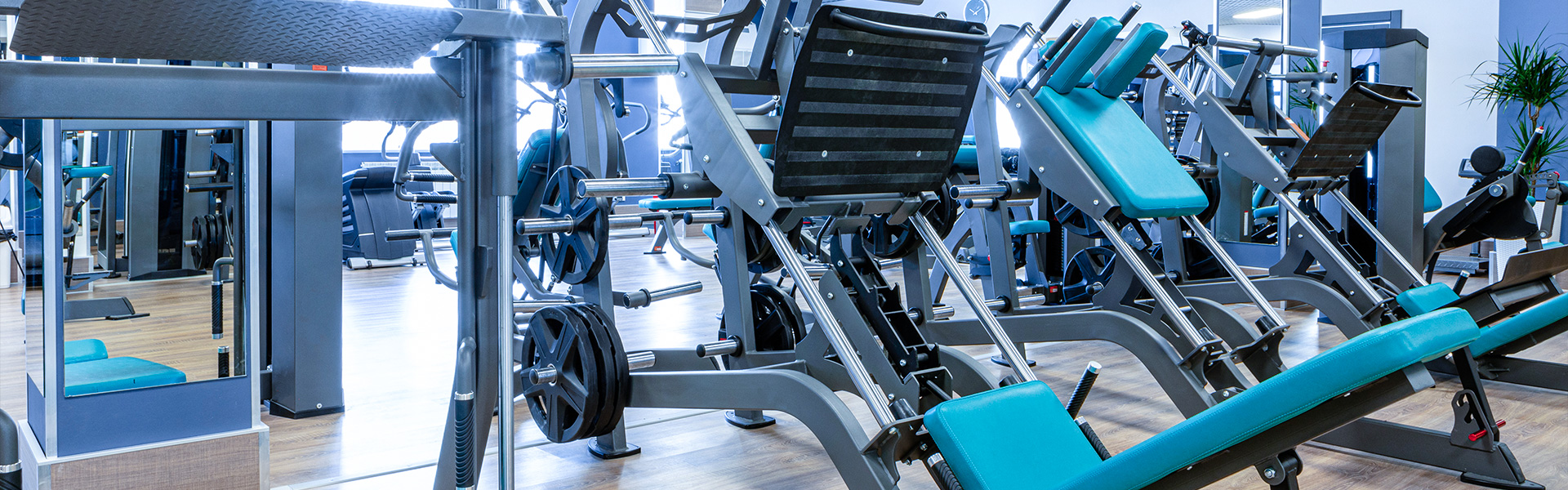
A plate loaded shoulder press machine is an important piece of strength training equipment for commercial gyms, bodybuilding facilities, fitness studios, and professional training centers. Designed to target the shoulder muscles through a guided pressing movement, a plate loaded shoulder press machine combines the loading flexibility of free weights with the stability and movement guidance of machine-based training. This makes it an attractive choice for facilities that want to provide effective upper-body strength training while maintaining a professional and organized gym environment.
Unlike selectorized machines that use an integrated weight stack, a plate loaded shoulder press machine uses weight plates to provide resistance. Users can add or remove plates according to their strength level and training goals. This loading system appeals to experienced lifters who prefer to control their resistance directly, while the guided movement can help users focus on pressing technique without needing to balance a barbell independently.
For gym owners and fitness equipment distributors, choosing a plate loaded shoulder press machine involves more than comparing prices or product appearance. Frame construction, loading capacity, handle design, seat adjustment, movement smoothness, and maintenance requirements all influence long-term value. A well-designed machine can support repeated daily use, accommodate different training programs, and complement other strength equipment.
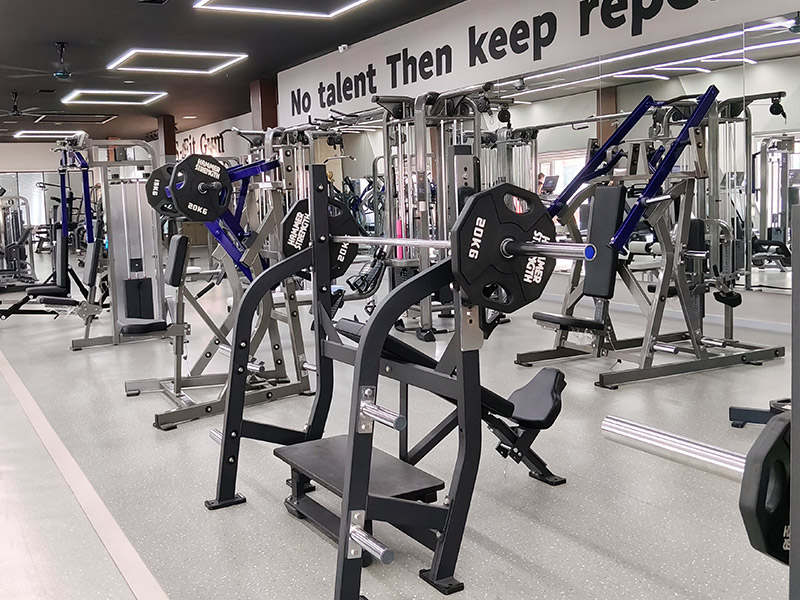
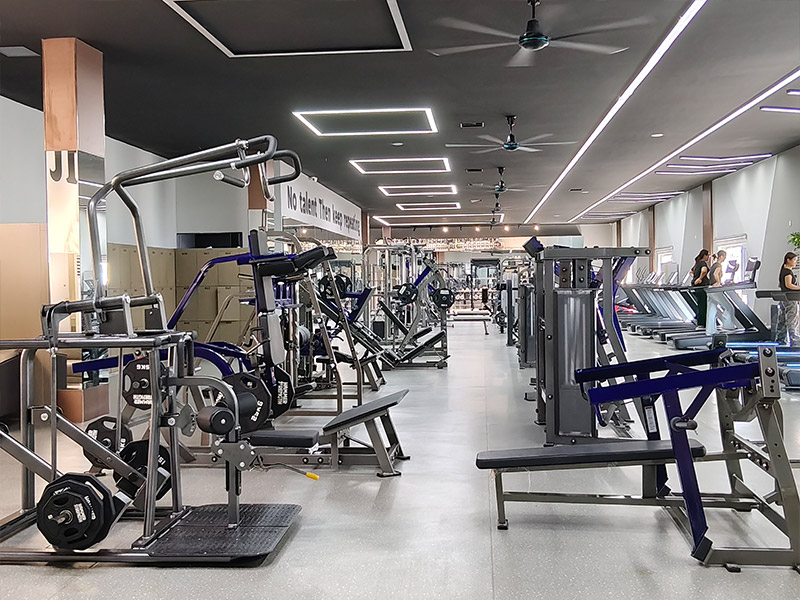
A plate loaded shoulder press machine can also help create a more complete shoulder training area. When combined with lateral raise machines, rear delt equipment, chest press machines, and free weights, it gives members more options for developing upper-body strength and muscle size.
This article explains why a plate loaded shoulder press machine is worth considering, how it works, which features matter most, and how to select the right model for a commercial fitness facility. Whether you are purchasing equipment for a new gym, upgrading an existing training area, or sourcing products for distribution, understanding these factors can help you make a more informed investment.
What Is a Plate Loaded Shoulder Press Machine?

A plate loaded shoulder press machine is a strength training machine designed primarily to train the deltoid muscles through an overhead or angled pressing movement. Instead of using a built-in weight stack, the machine accepts weight plates on designated loading sleeves. As the user presses the handles, the machine’s lever arms or resistance mechanism move against the added weight.
Most plate loaded shoulder press machines include a structural frame, seat, backrest, handles, loading sleeves, pivot points, and moving arms. The specific configuration varies by manufacturer. Some models feature independent arms, while others connect the pressing arms or use a shared movement mechanism.
The machine is designed to guide the pressing movement along a defined path. This can help users concentrate on the exercise without having to stabilize a free barbell in the same way they would during an overhead press with free weights.
A plate loaded shoulder press machine is especially common in commercial gyms, bodybuilding facilities, and strength training environments because users can adjust resistance by changing the number or size of weight plates. Facilities that already maintain a collection of Olympic weight plates may find this loading method convenient.
However, the actual resistance experienced by the user depends on the machine’s lever geometry, starting position, movement path, and mechanical design. The total weight of the plates does not necessarily equal the force experienced at the handles throughout the entire movement.
How a Plate Loaded Shoulder Press Machine Works
The user sits on the seat, adjusts the starting position, and grips the handles. The handles are connected to moving arms or a lever mechanism that provides resistance when weight plates are loaded.
During the pressing phase, the user pushes the handles upward or along the machine’s designated pressing path. The shoulder muscles produce most of the pressing effort, while the triceps assist with elbow extension. Other muscles help stabilize the shoulder girdle and torso.
During the lowering phase, the user returns the handles to the starting position under control. The machine’s design determines the available range of motion and the resistance profile throughout the movement.
A properly designed plate loaded shoulder press machine should provide stable support, a comfortable starting position, and smooth movement through its intended range. Users should always follow the manufacturer’s setup instructions and select resistance that allows them to maintain controlled technique.
Common Types of Plate Loaded Shoulder Press Machines
Different plate loaded shoulder press machine designs serve different training preferences and facility requirements.
| Machine Type | Main Characteristics | Suitable Applications |
|---|---|---|
| Standard plate loaded shoulder press machine | Uses a guided pressing path and weight plates | Commercial gyms and strength training areas |
| Independent-arm shoulder press machine | Each arm can move separately | Gyms offering unilateral training |
| Iso-lateral shoulder press machine | Allows separate movement on each side, depending on the design | Bodybuilding and performance training facilities |
| Converging shoulder press machine | Handles move toward one another during the pressing phase | Facilities seeking a converging pressing pattern |
| Adjustable plate loaded shoulder press machine | Offers multiple seat or starting-position settings | Multi-user commercial gyms |
| Compact plate loaded shoulder press machine | Uses a space-conscious frame design | Small fitness studios and limited-space gyms |
These categories may overlap. For example, a plate loaded shoulder press machine can use independent arms and a converging movement path at the same time.
Buyers should evaluate the actual mechanics rather than relying only on product names. The handle path, resistance curve, range of motion, and available adjustments can differ considerably between models.
Why Choose a Plate Loaded Shoulder Press Machine?
A plate loaded shoulder press machine offers several practical benefits for users and gym operators. Its loading flexibility, guided movement, and suitability for structured strength training make it a valuable option for many commercial fitness environments.
Flexible Resistance Adjustment
One of the main reasons to choose a plate loaded shoulder press machine is the ability to adjust resistance using weight plates. Users can add or remove plates to match their current strength level and training objectives.
For beginners, smaller loading increments may allow a gradual introduction to resistance training, provided the machine’s starting resistance is appropriate. Experienced lifters can add more plates to create a greater challenge as their strength improves.
This flexibility can also be useful for trainers who work with multiple clients. Instead of being restricted to a fixed selection of weight-stack increments, they can adjust the loading arrangement according to the machine’s design and the available plates.
However, buyers should check the manufacturer’s specified loading capacity and use only compatible plates. Weight plates must be secured correctly, and the machine should never be loaded beyond its rated limits.
A Guided Pressing Movement
A plate loaded shoulder press machine offers a defined movement path, which can make the exercise easier to learn than some free-weight overhead pressing variations.
During a barbell shoulder press, the user must independently control the bar’s position while coordinating shoulder, elbow, and torso movement. A plate loaded shoulder press machine provides more movement guidance, allowing users to focus on pressing the handles and controlling the resistance.
This can be useful in commercial gyms where members have different levels of training experience. The machine also gives personal trainers a consistent exercise setup for coaching technique and tracking performance.
A guided path does not guarantee that the exercise will suit every person. Users still need to adjust the seat and handles correctly, maintain a comfortable range of motion, and avoid excessive loads. The most suitable machine is one whose movement feels natural for the intended users.
Effective Shoulder Muscle Training
The primary training target of a plate loaded shoulder press machine is the deltoid muscle group. The deltoids are involved in raising and positioning the upper arms, and they contribute significantly to overhead pressing movements.
The triceps assist with extending the elbows, while other muscles help stabilize the shoulder girdle and upper body. Depending on the pressing angle and handle position, the upper chest may also contribute to the movement.
A plate loaded shoulder press machine can help users add focused pressing volume to their upper-body programs. For example, a lifter may perform a primary compound exercise before using the machine for additional shoulder training.
The machine should be combined with other exercises when the goal is comprehensive shoulder development. Lateral raises and rear-delt exercises can help train shoulder functions that are not fully covered by pressing alone.
Suitable for Strength and Muscle Development
A plate loaded shoulder press machine can be incorporated into training programs aimed at improving pressing strength and developing shoulder muscle size.
Users can gradually increase resistance, adjust repetitions, or change the number of sets according to their program. Because the machine provides a consistent setup, it is also convenient for recording training performance over time.
Muscle development depends on more than the equipment itself. Appropriate training volume, sufficient effort, consistent technique, recovery, and nutrition all contribute to results. A plate loaded shoulder press machine provides one tool for supporting these objectives.
For commercial facilities, the machine’s flexibility makes it suitable for different training styles, including general strength training, bodybuilding programs, and upper-body accessory work.
A Practical Option for Strength-Focused Gyms
Strength-focused facilities often prefer equipment that allows users to load weight plates directly. A plate loaded shoulder press machine fits naturally into this environment because it uses a loading method familiar to many experienced lifters.
The machine can be positioned alongside plate loaded chest press machines, row machines, leg press equipment, and free-weight stations. This creates a consistent strength training area and helps users move between related exercises.
For facilities that already stock compatible weight plates, a plate loaded shoulder press machine may also reduce the need to manage a separate integrated weight stack for that station. However, buyers should account for plate storage, loading space, and the time required to change resistance between users.
What Muscles Does a Plate Loaded Shoulder Press Machine Work?
Understanding the muscles involved helps users choose appropriate exercises and allows gym owners to explain the purpose of the equipment to their members.
The Deltoid Muscles
The deltoids are the main target of a plate loaded shoulder press machine. They cover the shoulder joint and include anterior, lateral, and posterior portions.
The anterior deltoids at the front of the shoulders are generally heavily involved in overhead pressing. The contribution of the lateral deltoids depends on the handle position, pressing angle, and movement path. The posterior deltoids are not the primary target of a standard shoulder press and generally require other exercises for more direct training.
Different plate loaded shoulder press machine designs can produce different movement experiences. A machine with handles positioned slightly in front of the body may feel different from a model with a more vertical pressing path.
Users should choose a machine that allows a comfortable starting position and controlled movement rather than assuming that one design is ideal for everyone.
The Triceps
The triceps brachii are located at the back of the upper arm and assist with elbow extension. During the pressing phase of a plate loaded shoulder press machine exercise, the triceps help straighten the arms against resistance.
The amount of triceps involvement varies with the machine’s handle position, elbow movement, and individual technique. The triceps work alongside the shoulders rather than acting as the primary target of the exercise.
This makes the plate loaded shoulder press machine useful as part of a broader upper-body program that includes other pushing movements.
Supporting Muscles
Muscles around the shoulder blades and torso help maintain stability during the pressing movement. The degree of stabilization required depends on the machine’s design and how much support it provides.
A plate loaded shoulder press machine generally reduces some balance demands compared with free-weight pressing, but it does not eliminate the need for controlled posture and appropriate shoulder positioning.
A complete shoulder program should also include suitable pulling and rear-delt exercises. This helps provide a more balanced approach to upper-body training rather than relying exclusively on pressing movements.
Plate Loaded Shoulder Press Machine vs. Selectorized Shoulder Press Machine
Both plate loaded and selectorized shoulder press machines can provide effective shoulder training, but they differ in how resistance is adjusted and managed.
A plate loaded shoulder press machine uses weight plates, while a selectorized model usually uses a built-in weight stack connected through cables and pulleys. Each option has practical advantages depending on the facility’s users, space, budget, and maintenance arrangements.
| Comparison Factor | Plate Loaded Shoulder Press Machine | Selectorized Shoulder Press Machine |
|---|---|---|
| Resistance adjustment | Add or remove weight plates | Select resistance using a pin |
| Transition between users | May require changing plates | Usually faster |
| Loading equipment | Requires compatible weight plates | Includes an integrated weight stack |
| Typical user preference | Often suits strength-focused users | Often suits facilities serving varied users |
| Resistance increments | Depend on plate sizes and loading arrangement | Depend on weight-stack increments |
| Maintenance considerations | Pivots, bearings, loading sleeves, and frame | Cables, pulleys, guide rods, and weight stack |
| Floor planning | Requires space for loading and plate handling | Requires room for the machine and stack |
| Training experience | Depends on lever geometry and machine design | Depends on the weight-stack system and machine design |
A plate loaded shoulder press machine may be a strong option for a bodybuilding gym where members are comfortable loading plates. A selectorized machine may be more convenient for a busy fitness center where many members change resistance frequently.
Neither type is universally better. Buyers should compare the machine’s movement quality, construction, adjustments, and total ownership cost before making a decision.
When a Plate Loaded Design Makes Sense
A plate loaded shoulder press machine may be particularly suitable when:
- The gym already uses plate loaded strength equipment.
- Members prefer direct weight-plate loading.
- The facility serves experienced strength trainees or bodybuilders.
- The equipment layout includes sufficient space for plate storage and loading.
- The buyer wants to create a consistent plate loaded training zone.
For smaller facilities with limited space or members who need fast resistance changes, other designs may be more practical. The decision should reflect actual operating conditions rather than general assumptions about equipment categories.
Plate Loaded Shoulder Press Machine vs. Free Weights
A plate loaded shoulder press machine and free-weight shoulder exercises can complement one another in a complete strength training program.
The machine guides the pressing path, while dumbbells and barbells require the user to manage more of the movement independently. Free weights can offer greater variation in grip, stance, and exercise execution, whereas the machine provides a consistent setup for repeated training.
| Comparison Factor | Plate Loaded Shoulder Press Machine | Dumbbell Shoulder Press | Barbell Shoulder Press |
|---|---|---|---|
| Movement path | Guided by machine mechanics | Independently controlled | Independently controlled |
| Resistance adjustment | Add or remove plates | Change dumbbells | Change barbell plates |
| Balance demands | Generally lower | Higher | Higher |
| Exercise variation | Depends on machine design | Many grip and position options | Multiple standing and seated variations |
| Setup requirements | Adjust seat and load plates | Select and position dumbbells | Prepare barbell and loading area |
| Typical use | Machine-based strength and accessory training | Flexible shoulder training | Compound pressing strength |
| Space considerations | Dedicated machine footprint | Dumbbell rack and exercise area | Barbell station and safe clearance |
The plate loaded shoulder press machine does not make free-weight training unnecessary. Instead, it offers another option for users who want a guided pressing movement and adjustable resistance.
A balanced training area may include both machine-based and free-weight exercises so members can select movements that suit their goals, experience, and preferences.
Essential Features to Look for in a Plate Loaded Shoulder Press Machine
Not every plate loaded shoulder press machine offers the same level of comfort, durability, or training performance. Buyers should evaluate the machine’s key components before placing an order.
Heavy-Duty Frame Construction
The frame supports the user, moving arms, and added weight plates. In commercial environments, it must withstand frequent loading and repeated movement.
Check the frame material, structural design, weld quality, base stability, and overall finish. The machine should remain stable during normal use without excessive rocking or unexpected movement.
A larger frame is not automatically stronger or better. The frame design should provide suitable support while allowing comfortable access and practical use.
For a plate loaded shoulder press machine intended for a busy commercial gym, buyers should request detailed technical specifications and ask about the manufacturer’s quality inspection procedures. Where available, relevant product testing documentation can help support the evaluation.
Loading Capacity and Plate Compatibility
The loading system is central to the operation of a plate loaded shoulder press machine. Buyers should confirm the specified maximum loading capacity, the dimensions of the loading sleeves, and the types of weight plates the machine accepts.
Some machines are designed for Olympic-sized plates, while others may use different sleeve dimensions. Confirm compatibility before purchasing to avoid problems with the facility’s existing plates.
The loading sleeves should be securely attached and suitable for repeated loading. Users should be able to add or remove plates without unnecessary difficulty, and appropriate collars or retention systems should be used according to the manufacturer’s instructions.
Never assume that a machine can safely support unlimited weight. Follow the rated capacity and operating guidance supplied with the equipment.
Ergonomic Seat and Backrest
The seat and backrest help users maintain a stable position during the pressing movement. Poor positioning can make the exercise uncomfortable and may limit the user’s ability to perform the intended range of motion.
A suitable plate loaded shoulder press machine should provide a comfortable seat height and a backrest that supports the user’s torso. Adjustment options should accommodate different body proportions where possible.
Check the adjustment mechanism for smooth operation and secure locking. The seat should remain stable under load, and the adjustment controls should be accessible to users.
Handle Design and Grip Options
Handle design influences how users hold the machine and move through the pressing path. Handle spacing, grip orientation, diameter, and surface texture all contribute to comfort and control.
Some plate loaded shoulder press machine models offer neutral grips, while others provide overhand or multiple grip positions. Different grip options can change the user’s shoulder and wrist positioning, so buyers should consider the preferences of their target customers.
The handles should feel secure without being excessively rough. Their position should allow users to begin the exercise without reaching too far or forcing the arms into an uncomfortable starting position.
Independent Arm Movement
Some plate loaded shoulder press machine designs allow the left and right arms to move independently. This can provide a more flexible training experience and allow users to work each side separately.
Independent-arm movement may be useful when trainers want to observe side-to-side differences or include unilateral pressing in a program. However, the benefits depend on the machine’s mechanics and the user’s goals.
Buyers should check whether the arms move independently through the entire intended range and whether the resistance feels consistent on both sides. The presence of independent arms does not automatically guarantee superior performance.
Smooth Movement and Resistance
A high-quality plate loaded shoulder press machine should move smoothly throughout its designed range of motion.
Inspect pivot points, bearings, lever arms, loading sleeves, and connection points. Unusual friction, excessive play, or abrupt movement may indicate design or maintenance concerns.
The resistance profile also matters. Lever geometry affects how the load feels at different points in the movement. A plate loaded shoulder press machine may feel heavier or lighter at particular angles even when the same plates remain loaded.
Where possible, test the machine under a suitable load and evaluate the movement from the starting position to the end of the press.
Durable Upholstery and Surface Finish
Commercial machines experience repeated contact with sweat, clothing, and cleaning products. Upholstery and surface finishes should therefore be selected for regular use.
Check the padding, covering material, stitching, frame coating, and resistance to normal wear. The seat and backrest should be comfortable while remaining easy to clean according to the manufacturer’s instructions.
Facilities operating in humid or coastal environments may need to pay additional attention to corrosion protection and maintenance. A durable finish can help preserve appearance, but routine cleaning and inspection remain essential.
How to Choose the Right Plate Loaded Shoulder Press Machine for a Commercial Gym
Selecting the right plate loaded shoulder press machine requires a clear understanding of the facility’s users, space, training objectives, and budget.
Identify Your Target Customers
Start by identifying who will use the machine most frequently.
A general commercial gym may serve beginners, casual fitness members, and experienced lifters. A bodybuilding facility may place greater emphasis on movement feel, loading capacity, and independent-arm designs. A strength training studio may prioritize structural stability and compatibility with its existing equipment.
Understanding the target user group helps buyers evaluate the features that matter most. For example, easy adjustment may be a high priority in a multi-user gym, while loading capacity and movement mechanics may receive greater attention in a strength-focused facility.
Measure the Available Space
A plate loaded shoulder press machine requires enough room for the equipment, the user, and the loading process.
Measure the machine’s complete dimensions and consider the space needed to access the seat, add or remove plates, and move safely around the equipment. Account for nearby machines, walkways, storage racks, and maintenance access.
A machine may fit within an empty floor plan but become difficult to use once users begin training. A clear equipment layout helps avoid congestion and improves the overall flow of the gym.
For facilities purchasing several strength machines, create a layout plan before confirming the order. This allows the buyer to compare equipment dimensions and ensure that the machines work together as part of a functional training area.
Compare Technical Specifications
Technical specifications provide a basis for comparing different plate loaded shoulder press machine models.
Important details include overall dimensions, machine weight, maximum loading capacity, loading sleeve dimensions, adjustment range, handle positions, and warranty coverage.
The machine’s own weight should not be confused with its resistance capacity. Similarly, the total weight of the plates loaded onto the arms may not correspond directly to the force experienced at the handles throughout the movement.
Use a consistent checklist when reviewing quotations.
| Evaluation Item | What to Check |
|---|---|
| Frame construction | Materials, structural design, weld quality, and stability |
| Loading capacity | Manufacturer’s rated limit and plate compatibility |
| Movement design | Pressing path, range of motion, and lever mechanics |
| Seat adjustment | Available positions and ease of adjustment |
| Handle design | Grip orientation, spacing, and comfort |
| Moving components | Pivot points, bearings, and loading sleeves |
| Upholstery | Padding quality, durability, and cleaning requirements |
| Dimensions | Full footprint and user clearance |
| Warranty | Coverage, exclusions, and service process |
| Spare parts | Availability of replacement components |
| Delivery | Packaging, shipping, unloading, and installation requirements |
Comparing complete specifications helps buyers identify differences that product photographs may not reveal.
Test the Machine Before Purchasing
Whenever possible, test a plate loaded shoulder press machine before placing an order.
Check whether the starting position feels comfortable, the handles fit the user’s grip, the seat adjustments work smoothly, and the movement remains stable under an appropriate load.
If an in-person demonstration is not possible, request detailed videos showing the machine from different angles. Ask the supplier to demonstrate seat adjustments, plate loading, the full movement path, and the machine’s main mechanical components.
Buyers can also request references from commercial customers or ask about the manufacturer’s quality inspection process.
A thorough evaluation helps reduce the risk of purchasing a machine that looks attractive but does not suit the facility’s users.
Understanding the Cost of a Plate Loaded Shoulder Press Machine
Price is an important consideration, but the cheapest plate loaded shoulder press machine is not necessarily the best investment.
The total cost of ownership includes the initial purchase price, shipping, installation, maintenance, replacement parts, and any downtime associated with repairs.
Initial Purchase Price
The price of a plate loaded shoulder press machine varies according to its construction, movement design, loading capacity, adjustment options, materials, and supplier.
A standard model may have a different cost from an independent-arm or converging design. Buyers should compare machines with similar specifications rather than choosing solely on the basis of a headline price.
Ask suppliers to provide detailed quotations that identify the product configuration, included accessories, packaging, warranty, and any additional charges.
Shipping and Installation Costs
For international buyers, freight and delivery can significantly affect the final investment.
A plate loaded shoulder press machine may require protective packaging for its frame, upholstery, handles, and moving components. Shipping costs depend on package dimensions, shipment weight, destination, transport method, and current logistics conditions.
Confirm whether the quotation includes export packaging, freight, customs-related charges, local delivery, unloading, assembly, and installation. Some services may be priced separately.
Clear delivery arrangements help gym owners plan the installation schedule and reduce the likelihood of unexpected expenses.
Maintenance and Replacement Parts
A plate loaded shoulder press machine has moving components that require inspection and occasional servicing. Pivot points, bearings, loading sleeves, fasteners, and upholstery may need attention over time, depending on usage and design.
Before purchasing, ask which components are considered wear parts and how replacements can be ordered. Confirm whether the supplier provides technical support and whether spare parts can be shipped to the facility’s location.
A machine that is difficult to service may create higher long-term costs even if its purchase price is attractive.
Evaluate Long-Term Value
The best investment balances price, performance, durability, usability, and support.
For example, a plate loaded shoulder press machine with comfortable adjustments and reliable construction may provide better long-term value than a less expensive model that does not fit the facility’s members.
This does not mean that the most expensive machine is automatically the best choice. Buyers should focus on the features that directly support their operational requirements and training objectives.
How to Use a Plate Loaded Shoulder Press Machine Correctly
Correct technique helps users make effective use of a plate loaded shoulder press machine while maintaining control of the resistance.
Adjust the Seat and Starting Position
Set the seat height according to the manufacturer’s instructions. Position the body so the handles can be reached comfortably and the shoulders are aligned appropriately with the machine’s intended pressing path.
Keep the torso supported by the backrest where provided. Place the feet securely on the floor or designated supports.
The starting position should feel natural. Avoid a setup that forces the shoulders into an uncomfortable angle or requires excessive reaching.
Load the Machine Correctly
Add compatible weight plates to the designated loading sleeves and secure them according to the manufacturer’s instructions.
Load the machine evenly when the design requires balanced loading. For independent-arm machines, follow the recommended loading procedure and ensure that both sides are used within their specified limits.
Do not exceed the manufacturer’s rated capacity. Check that plates are secure before beginning the exercise, and keep the loading area clear of obstacles.
Choose Appropriate Resistance
Select a load that allows controlled repetitions without excessive body movement.
Beginners should start with a conservative load and learn the machine’s movement before increasing resistance. Experienced users should also avoid loading more weight than they can control.
A plate loaded shoulder press machine should support consistent technique rather than encourage momentum or uncomfortable movement.
Press With Control
Grip the handles securely and press along the machine’s intended movement path. Keep the torso stable and avoid excessive arching or shrugging to complete the repetition.
The elbows should move naturally according to the machine’s design. Avoid forcing the arms into an uncomfortable position or aggressively locking the elbows at the top.
Lower the Weight Slowly
Return the handles to the starting position under control. Do not allow the loaded arms to drop suddenly or let the machine pull the shoulders into an uncomfortable position.
A controlled lowering phase helps users maintain consistent technique. Choose a range of motion that feels comfortable and appropriate for the individual’s capabilities.
Stop if the exercise causes sharp pain or unusual symptoms. People with existing shoulder conditions or medical restrictions should seek suitable professional guidance before training.
Plate Loaded Shoulder Press Machine Workout Plan
A plate loaded shoulder press machine can be included in different upper-body programs according to training experience and goals.
Beginner Shoulder Workout
Beginners should focus on learning movement technique, selecting manageable resistance, and developing consistency.
| Exercise | Sets | Repetitions | Purpose |
|---|---|---|---|
| Plate loaded shoulder press machine | 2–3 | 10–12 | Learn controlled pressing |
| Lat pulldown | 2–3 | 10–12 | Train the back |
| Seated row | 2–3 | 10–12 | Develop pulling strength |
| Dumbbell lateral raise | 2 | 12–15 | Train the lateral deltoids |
| Triceps pushdown | 2 | 10–15 | Train the triceps |
Beginners should start with a manageable load and prioritize technique. A qualified trainer can help with machine adjustment and exercise selection when needed.
Intermediate Upper-Body Workout
Intermediate users may combine machine-based pressing with pulling movements and additional shoulder exercises.
| Exercise | Sets | Repetitions | Purpose |
|---|---|---|---|
| Plate loaded shoulder press machine | 3–4 | 8–12 | Shoulder pressing strength |
| Chest press machine | 3 | 8–12 | Chest and triceps training |
| Seated row | 3 | 8–12 | Back training |
| Lateral raise | 3 | 12–15 | Lateral deltoid development |
| Rear-delt exercise | 3 | 12–15 | Posterior shoulder training |
| Triceps exercise | 2–3 | 10–15 | Additional arm training |
This arrangement provides both pushing and pulling work and avoids relying entirely on the plate loaded shoulder press machine for shoulder development.
Strength-Focused Shoulder Workout
Experienced lifters may use a plate loaded shoulder press machine for focused pressing work within a broader strength program.
| Exercise | Sets | Repetitions | Training Focus |
|---|---|---|---|
| Plate loaded shoulder press machine | 4 | 6–10 | Primary machine pressing |
| Secondary chest press | 3 | 8–10 | Additional pressing volume |
| Seated row | 3–4 | 8–12 | Upper-back strength |
| Lateral raise | 3 | 10–15 | Shoulder accessory work |
| Rear-delt exercise | 3 | 12–15 | Posterior shoulder development |
| Triceps exercise | 3 | 10–12 | Elbow extension strength |
These examples should be adjusted to individual training goals, experience, and recovery. The machine’s loading increments, resistance profile, and range of motion may affect how the program should be structured.
Common Mistakes When Choosing a Plate Loaded Shoulder Press Machine
Purchasing mistakes can reduce the value of an otherwise useful piece of gym equipment. Buyers should evaluate the machine’s practical performance rather than relying on appearance alone.
Choosing Only by Price
A low-priced plate loaded shoulder press machine may seem attractive, but buyers should examine construction quality, movement performance, loading capacity, warranty, and service support.
If a machine requires frequent repairs or does not provide a comfortable pressing path, the initial savings may be offset by maintenance costs and reduced usability.
Compare products with similar specifications and evaluate the complete cost of ownership.
Ignoring Ergonomics
Seat height, handle spacing, grip orientation, and starting position all affect the user experience.
A plate loaded shoulder press machine may be structurally strong but still feel uncomfortable for users whose body proportions do not fit the design. Whenever possible, test the machine with users of different heights and ask the supplier about available adjustments.
Overlooking Loading Requirements
Buyers should confirm plate compatibility and rated loading capacity before ordering.
If the facility uses Olympic weight plates, check that the machine’s sleeves accept the required plate dimensions. Also consider how plates will be stored and whether users have enough room to load and unload the machine safely.
Failing to Check Spare Parts
Commercial equipment requires maintenance, and some components may eventually need replacement.
Ask the supplier about the availability of bearings, upholstery, loading sleeves, adjustment components, and other relevant parts. Clear after-sales support can help minimize downtime and protect the value of the plate loaded shoulder press machine.
Buying Without Considering the Floor Plan
A machine that fits physically may still be inconvenient if there is not enough room to load plates or move around it.
Plan the equipment layout before purchasing. Include the full footprint, loading access, user clearance, and maintenance requirements. This is especially important when ordering several strength machines for a new facility.
Maintenance Tips for a Plate Loaded Shoulder Press Machine
Routine maintenance helps preserve the machine’s performance and appearance in a commercial environment.
Inspect the Frame and Fasteners
Check the frame, welds, bolts, and connection points regularly. Look for visible damage, loose fasteners, or unexpected movement during operation.
Any structural issue that could affect safe use should be assessed promptly. Remove the machine from service if a significant defect makes continued operation unsafe.
Check Pivot Points and Bearings
Pivot points and bearings affect the smoothness of the pressing movement. Inspect them according to the manufacturer’s recommended schedule and watch for unusual noises, excessive play, or increased resistance.
Use only the maintenance products and procedures recommended for the machine. Applying lubricant indiscriminately may not be appropriate for every component.
Inspect Loading Sleeves
Loading sleeves should remain securely attached and suitable for the intended weight plates.
Check for visible wear, damage, or looseness. Keep sleeves clean and follow the manufacturer’s instructions for any maintenance or replacement.
Maintain Upholstery and Handles
Clean the seat, backrest, and handles according to the recommended cleaning procedure. Inspect the upholstery for tears, loose stitching, or exposed padding.
Replace damaged components when necessary to maintain a professional appearance and comfortable user experience.
Train Staff to Report Problems
Gym staff should know how to identify unusual movement, loose parts, damaged upholstery, and other potential problems.
A clear reporting process helps facility managers respond quickly and arrange repairs. Maintenance records can also reveal recurring issues and support better long-term equipment planning.
Why Supplier Selection Matters
The quality of a plate loaded shoulder press machine depends not only on its design but also on manufacturing consistency, quality control, and after-sales support.
Evaluate Manufacturing Capabilities
Buyers should review the manufacturer’s experience producing commercial strength equipment. Useful information may include factory facilities, production processes, material specifications, quality inspection procedures, and experience supplying gyms or distributors.
Ask for detailed technical documentation and product demonstrations where available. Photographs alone cannot establish the durability or performance of a plate loaded shoulder press machine.
Review Quality Control Procedures
Quality control helps ensure that the finished product matches the agreed specifications.
Ask how the manufacturer checks frame construction, welding, moving components, loading sleeves, upholstery, assembly, and final product condition. For larger orders, written specifications and agreed inspection procedures can reduce misunderstandings.
Confirm Warranty and Technical Support
Before purchasing, review the warranty period, coverage, exclusions, and process for requesting service. International buyers should also clarify spare-part availability, shipping arrangements, and technical support procedures.
A supplier that provides clear documentation and responsive communication can help reduce uncertainty during installation and ongoing operation.
Consider Long-Term Partnership Potential
For fitness equipment distributors and multi-location gym operators, supplier reliability can affect future expansion and repeat purchasing.
Evaluate whether the supplier can maintain consistent specifications, provide accurate delivery information, and support future orders. These factors may be particularly important when a facility wants several matching machines or a distributor plans to build a consistent product range.
Plate Loaded Shoulder Press Machine for Different Fitness Businesses
Different fitness businesses have different equipment requirements. Understanding these needs helps buyers select a suitable plate loaded shoulder press machine.
Commercial Gyms
General commercial gyms often need equipment that accommodates a broad range of members. A plate loaded shoulder press machine can provide a useful pressing option for members who prefer resistance training with weight plates.
Durability, stable construction, comfortable adjustments, and straightforward maintenance are important considerations in facilities with frequent daily use.
Bodybuilding Gyms
Bodybuilding facilities may prioritize movement feel, loading flexibility, and independent-arm options. A plate loaded shoulder press machine can complement other plate loaded equipment and support structured shoulder training programs.
Buyers should evaluate the actual pressing path and resistance characteristics because designs vary between manufacturers.
Personal Training Studios
Personal training studios may use a plate loaded shoulder press machine to provide a repeatable exercise setup for clients. Trainers can adjust resistance and track performance while coaching technique.
Space and versatility may be especially important in smaller studios. Buyers should compare the machine’s footprint and adjustment range with the needs of their client base.
Fitness Equipment Distributors
Distributors need products that meet customer expectations for performance, appearance, durability, and support.
When sourcing a plate loaded shoulder press machine, distributors should evaluate manufacturing capacity, product consistency, technical documentation, packaging, warranty terms, and spare-part availability. Clear communication and detailed specifications can help support long-term customer relationships.
If you need fitness equipment or other services, please contact us!
Email: zhiningfitnessoffical@zhiningfitness.com
WhatsApp: +86 17852510552
Facebook: https://www.facebook.com/profile.php?id=61594381827546
Conclusion
A plate loaded shoulder press machine is a valuable choice for commercial gyms, bodybuilding facilities, and strength training centers that want to provide effective shoulder training with flexible resistance adjustment. Its guided pressing path, weight-plate loading system, and suitability for structured training make it a practical complement to free weights and other strength machines.
The right plate loaded shoulder press machine should offer stable frame construction, comfortable ergonomics, appropriate loading capacity, smooth movement, durable upholstery, and manageable maintenance requirements. Buyers should also consider available floor space, user preferences, supplier reliability, and the total cost of ownership.
For gym owners and equipment distributors, evaluating these factors before purchasing can help avoid common problems and improve long-term value. For users, correct setup, suitable resistance, and controlled technique are essential for making the most of the machine.
When selected carefully and maintained properly, a plate loaded shoulder press machine can strengthen a facility’s upper-body training offering and provide a consistent exercise option for a wide range of strength training programs.
FAQ
What Is a Plate Loaded Shoulder Press Machine Used For?
A plate loaded shoulder press machine is used primarily to train the deltoid muscles through a guided pressing movement. The triceps assist with elbow extension, while supporting muscles help stabilize the upper body. It can be used for shoulder strength, muscle development, and accessory pressing work.
Is a Plate Loaded Shoulder Press Machine Better Than a Selectorized Machine?
Neither type is universally better. A plate loaded shoulder press machine allows users to adjust resistance by adding or removing weight plates, while a selectorized model generally allows faster changes using a weight-stack pin. The best choice depends on the facility’s members, training style, space, and operating requirements.
Can Beginners Use a Plate Loaded Shoulder Press Machine?
Yes, beginners can use a plate loaded shoulder press machine when the equipment fits their needs and they receive appropriate instruction. They should start with manageable resistance, learn the machine’s adjustment settings, and maintain controlled movement. People with shoulder pain or medical restrictions should seek professional guidance.
What Should I Look for When Buying a Plate Loaded Shoulder Press Machine?
Important factors include frame construction, loading capacity, plate compatibility, seat adjustment, handle design, movement smoothness, upholstery, warranty, and spare-part support. Buyers should also measure the available floor space and compare detailed specifications from reliable suppliers.
How Do I Maintain a Plate Loaded Shoulder Press Machine?
Inspect the frame, fasteners, pivot points, bearings, loading sleeves, handles, and upholstery regularly. Clean the machine according to the manufacturer’s instructions and follow the recommended maintenance schedule. Address unusual noises, loose components, or visible damage promptly, and keep records of inspections and repairs.