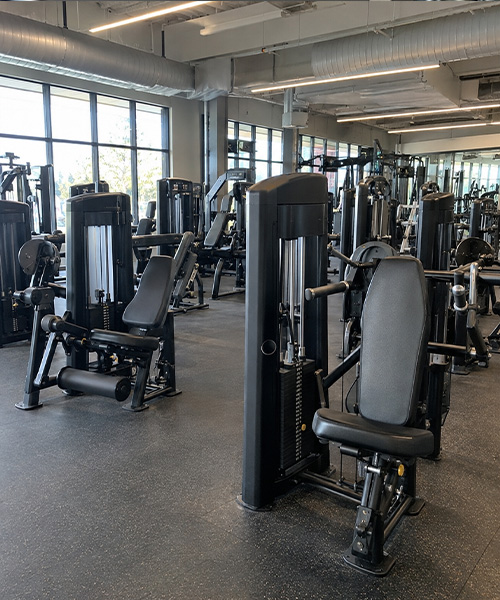
Introduction
Choosing the best shoulder press machine is an important decision for gym owners, fitness enthusiasts, personal trainers, and commercial fitness equipment buyers. A high-quality shoulder press machine provides an effective way to train the shoulder muscles, develop upper-body strength, and support structured resistance training. However, with so many models available, selecting the right shoulder press machine requires careful consideration of design, resistance type, adjustability, durability, comfort, and budget.
Whether you are building a home gym, upgrading a commercial fitness center, or sourcing equipment for a professional fitness facility, the right shoulder press machine can improve the overall training experience. Different machines offer different movement paths, loading mechanisms, and adjustment options. Some are designed for beginners who need guided movements, while others are built for experienced lifters who prefer plate-loaded resistance and independent arm movement.
For commercial gym owners, purchasing a shoulder press machine is also a long-term business investment. Equipment must withstand repeated use, accommodate members of different body sizes, and remain reliable under demanding operating conditions. For distributors and fitness equipment retailers, product quality, manufacturing capabilities, wholesale pricing, and after-sales service are equally important.
This guide explains how to choose the best shoulder press machine based on your training goals, available space, resistance preferences, and purchasing requirements. It also compares popular shoulder press machine types, explains the features worth evaluating, and provides practical advice for buying durable equipment that delivers long-term value.
What Is a Shoulder Press Machine?
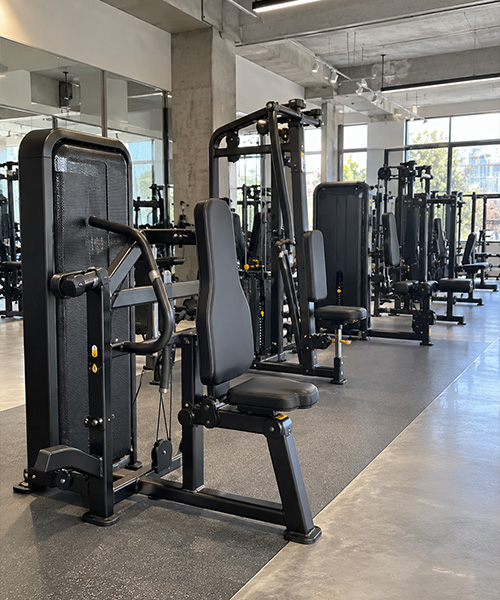
A shoulder press machine is a strength training machine designed primarily to develop the deltoid muscles, which form the rounded shape of the shoulders. Depending on its design, a shoulder press machine may also involve the triceps and upper portions of the chest during pressing movements.
Unlike a traditional barbell shoulder press, a shoulder press machine generally provides a defined movement path or lever-arm system. This can make it easier for users to learn the exercise, maintain a consistent position, and adjust resistance without handling a barbell.
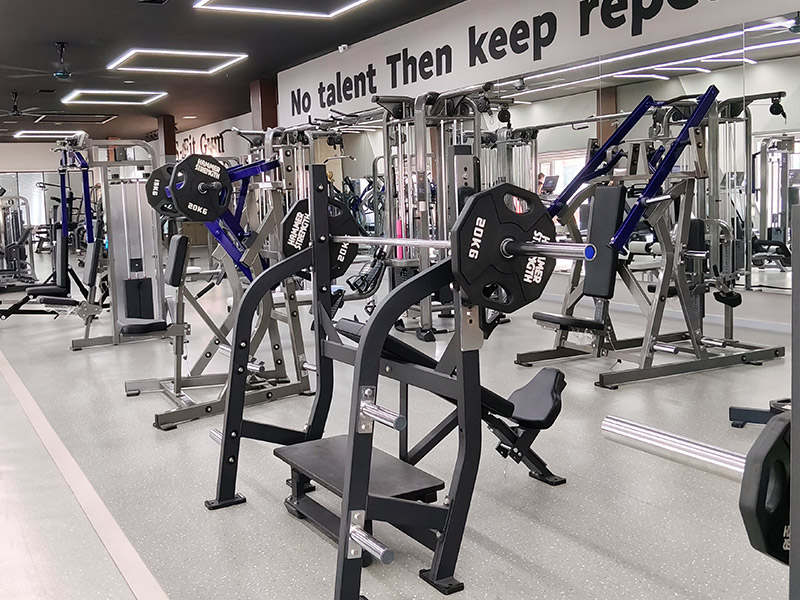
Shoulder press machines are widely used in commercial gyms, bodybuilding facilities, personal training studios, hotel fitness centers, and home gyms. They are available in several configurations, including selectorized machines, plate-loaded machines, iso-lateral machines, and multifunctional strength training systems.
How Does a Shoulder Press Machine Work?
Most shoulder press machines require the user to sit upright, position the handles near shoulder level, and press upward against resistance. The machine’s arms, cables, or weight stack provide resistance throughout the movement.
The exact movement pattern depends on the machine design. Some shoulder press machines follow a fixed path, while others use independent lever arms that allow each side to move separately. The handle position, seat height, backrest angle, and starting position can all influence how the exercise feels.
A properly adjusted shoulder press machine should allow the user to begin in a comfortable position without forcing the shoulders into an awkward range of motion. The handles should be accessible, the seat should provide adequate support, and the resistance should move smoothly.
Which Muscles Does a Shoulder Press Machine Train?
The primary muscles involved in a shoulder press machine exercise are the deltoids, especially the anterior and middle portions. The triceps assist with elbow extension, while the upper chest and other stabilizing muscles may contribute depending on the movement path and body position.
The muscle emphasis varies according to the machine’s handle orientation, pressing angle, grip width, and individual anatomy. A shoulder press machine should therefore be selected according to the user’s comfort, training goals, and ability to perform controlled repetitions.
| Muscle Group | Role During the Shoulder Press |
|---|---|
| Anterior deltoids | Assist with lifting the upper arms forward and upward |
| Middle deltoids | Contribute to shoulder elevation during pressing |
| Triceps | Extend the elbows during the pressing movement |
| Upper pectoral muscles | May assist depending on the pressing angle |
| Upper back and trunk muscles | Help maintain posture and stabilize the body |
Although the shoulder press machine is useful for shoulder development, it should not be treated as a complete upper-body training solution. A balanced program can also include lateral raises, rear-delt exercises, pulling movements, and other exercises appropriate to the individual’s goals.
Why Choosing the Right Shoulder Press Machine Matters
Not every shoulder press machine offers the same training experience. Selecting the right design can improve exercise comfort, equipment usability, and long-term value.
Better Training Comfort
Comfort is an important factor when evaluating a shoulder press machine. A machine that does not fit the user’s body may create awkward starting positions or make it difficult to complete the intended range of motion.
Seat height, backrest support, handle placement, and adjustment mechanisms should allow users to position themselves naturally. For commercial gyms, these features are particularly important because members have different heights, arm lengths, and training experience.
A comfortable shoulder press machine can also make it easier for users to maintain consistent exercise technique. When selecting equipment, consider whether adjustments can be made quickly and whether the settings are easy to understand.
More Consistent Resistance Training
A shoulder press machine provides a structured way to apply resistance during pressing exercises. Depending on the design, users can adjust a weight stack, add weight plates, or select resistance through another mechanism.
Consistent resistance adjustment makes it easier to organize workouts and track training progress. Beginners can start with manageable resistance, while experienced users can increase the load gradually as their strength improves.
For commercial facilities, a shoulder press machine with a reliable resistance system can support a wide range of members and training programs.
Improved Commercial Gym Efficiency
In a busy fitness center, equipment should be easy to use, adjust, clean, and maintain. A shoulder press machine with clear adjustment points and accessible maintenance components can help staff manage the training area more efficiently.
The right machine can also complement other strength equipment, allowing members to move through their workouts without unnecessary delays.
For gym owners, the purchasing decision should consider how frequently the shoulder press machine is likely to be used, how much space it occupies, and how easily replacement parts can be obtained.
Types of Shoulder Press Machine to Consider
Understanding the different types of shoulder press machine is one of the most important steps in choosing the right model. Each design has advantages and limitations depending on the intended users, budget, and facility requirements.
Selectorized Shoulder Press Machine
A selectorized shoulder press machine uses a weight stack that allows users to change resistance by moving a selector pin. This design is common in commercial gyms because it offers convenient weight adjustment and a relatively straightforward user experience.
The main advantage of a selectorized shoulder press machine is efficiency. Members can change the load quickly without adding or removing weight plates, making it suitable for busy facilities.
Selectorized machines are often a good choice for general fitness clubs, hotel gyms, corporate fitness rooms, and facilities serving beginners. When comparing models, evaluate the weight stack, cable routing, pulley quality, seat adjustment, and smoothness of the pressing movement.
Plate-Loaded Shoulder Press Machine
A plate-loaded shoulder press machine uses weight plates to provide resistance. Depending on the design, the machine may feature lever arms, loading sleeves, and a fixed or adjustable pressing path.
Plate-loaded machines often appeal to bodybuilding gyms and strength-focused facilities because they offer a familiar resistance training experience. They can also provide substantial loading flexibility when the machine is designed for heavier training.
However, users must load and unload the plates, and the machine requires appropriate plate storage and floor space. Before purchasing a plate-loaded shoulder press machine, check the loading capacity, sleeve dimensions, frame stability, and ease of accessing the loading points.
Iso-Lateral Shoulder Press Machine
An iso-lateral shoulder press machine allows the left and right arms to move independently. Depending on the design, this can support unilateral training and allow each side to work through its own movement path.
This configuration is useful for experienced lifters, bodybuilding facilities, and gyms that offer a variety of resistance training options. Independent arm movement can help users identify differences in strength and control between sides.
When choosing an iso-lateral shoulder press machine, evaluate the movement path, handle positions, starting resistance, adjustment options, and mechanical smoothness.
Converging Shoulder Press Machine
A converging shoulder press machine uses pressing arms that move inward as the user presses. This design is intended to provide a movement path that differs from a machine with a more parallel pressing motion.
Some users may find a converging shoulder press machine comfortable because the handles follow a path that better matches their preferred pressing mechanics. However, the suitability depends on individual anatomy and the machine’s specific design.
Test the starting position and full range of motion whenever possible. The handles should move naturally without forcing the shoulders into uncomfortable positions.
Smith Machine and Multi-Station Alternatives
A Smith machine can be used for shoulder pressing exercises, provided the equipment and setup are appropriate for the movement. Its guided bar path differs from the lever-arm or weight-stack mechanisms of a dedicated shoulder press machine.
Multifunctional strength systems may also include a shoulder press station alongside other exercises. These systems can be useful in compact facilities where floor space is limited.
However, a multifunctional system may not offer the same shoulder-specific ergonomics as a dedicated shoulder press machine. Buyers should compare the available range of motion, adjustment options, resistance capacity, and intended training applications before making a decision.
Key Features to Look for in a Shoulder Press Machine
A shoulder press machine should be evaluated as a complete system rather than by appearance alone. The following features can help buyers identify a model that fits their training and operational requirements.
Adjustable Seat and Backrest
Seat adjustment is one of the most important features of a shoulder press machine. The correct seat height helps users position the handles at an appropriate starting level and maintain a stable posture.
A backrest should provide sufficient support without restricting the movement. Adjustment mechanisms should lock securely and remain easy to operate.
For commercial gyms, simple and clearly marked adjustments can reduce setup time and make equipment more accessible to members of different heights.
Comfortable Handle Design
Handle position influences grip comfort, wrist alignment, and the pressing path. Depending on the model, a shoulder press machine may feature neutral-grip handles, pronated-grip handles, or multiple grip positions.
Neutral-grip handles allow the palms to face one another, while other configurations may position the palms forward or at different angles. No single grip is ideal for every user, so a machine with comfortable, practical handle options may offer greater versatility.
Inspect handle diameter, surface texture, spacing, and stability. The handles should remain secure during repeated use and should not create unnecessary pressure on the hands.
Smooth Movement Path
The pressing arms or resistance system should move smoothly through the intended range of motion. Jerky movement, excessive play, or unusual noises may indicate design or maintenance issues.
For a selectorized shoulder press machine, evaluate the cables, pulleys, guide rods, and weight stack. For a plate-loaded model, check the pivot points, bearings, lever arms, and loading sleeves.
If possible, test the machine with different resistance levels. The movement should remain controlled and predictable without sudden changes that interfere with exercise technique.
Frame Stability and Construction
A commercial shoulder press machine must remain stable under its intended loading conditions. The frame, base, joints, and moving components should be suitable for repeated use in a professional fitness environment.
Ask the manufacturer for material specifications, dimensions, maximum user weight where applicable, and relevant load or safety documentation. These details are more useful than general claims about heavy-duty construction.
For facilities purchasing multiple machines, consistency in construction and finish can also help maintain a professional appearance throughout the gym.
Weight Capacity and Resistance Range
The appropriate resistance range depends on the intended users. A hotel gym may need a machine that accommodates beginners and general fitness users, while a strength-focused facility may require a heavier plate-loaded design.
Do not evaluate resistance capacity solely by the maximum number shown in a product listing. Consider the intended loading conditions, mechanical design, and manufacturer specifications.
A suitable shoulder press machine should allow users to progress gradually while maintaining safe and controlled movement.
Ease of Maintenance
Maintenance requirements affect the total cost of owning a shoulder press machine. Accessible service points, replaceable wear components, clear maintenance instructions, and readily available spare parts can simplify long-term operation.
Ask the manufacturer which components require routine inspection and which parts may need periodic replacement. Confirm how replacement cables, pulleys, bearings, upholstery, or other components can be ordered.
For commercial buyers, serviceability should be considered alongside purchase price and construction quality.
Shoulder Press Machine Comparison Table
The following table summarizes common shoulder press machine types and their typical applications.
| Machine Type | Resistance System | Main Advantage | Best Suited For |
|---|---|---|---|
| Selectorized shoulder press machine | Weight stack | Fast and convenient adjustments | Commercial gyms and beginners |
| Plate-loaded shoulder press machine | Weight plates | Flexible loading and strength-focused training | Bodybuilding and strength gyms |
| Iso-lateral shoulder press machine | Independent lever arms or separate resistance paths | Independent arm movement | Advanced training facilities |
| Converging shoulder press machine | Lever arms or weight stack | Inward-moving pressing path | Gyms seeking movement variety |
| Smith machine setup | Guided bar and weight plates | Supports several barbell exercises | General strength training areas |
| Multi-station strength system | Varies by design | Combines several exercise stations | Compact fitness facilities |
The best shoulder press machine depends on the user’s needs and the equipment’s actual design. A selectorized machine may be more convenient for a busy commercial gym, while an iso-lateral or plate-loaded model may better suit a facility focused on strength training.
How to Choose a Shoulder Press Machine for Commercial Gyms
Commercial fitness facilities have different requirements from home gyms. Equipment may be used repeatedly throughout the day by members with varying levels of strength and experience.
When choosing a shoulder press machine for commercial use, durability, usability, maintenance, and total cost should all be evaluated.
Prioritize Commercial-Grade Construction
Commercial equipment should be designed for the expected frequency and intensity of use. A shoulder press machine intended for occasional home workouts may not be suitable for a busy gym.
Ask the manufacturer about the intended usage environment, structural specifications, component quality, and recommended maintenance schedule. Review the warranty terms to understand whether they cover commercial use.
For larger projects, consider requesting a product demonstration, sample unit, or independent inspection before placing a bulk order.
Consider Peak-Hour Usage
Equipment selection should reflect the number of members likely to train simultaneously. If shoulder training is popular in your facility, a single shoulder press machine may create queues during peak periods.
However, buying too many machines can waste floor space and capital. Review membership numbers, equipment usage patterns, and the layout of the strength training area before deciding how many units to purchase.
A balanced equipment plan should provide adequate access to popular exercises while leaving enough room for safe movement.
Evaluate the Manufacturer’s Product Range
A commercial gym equipment supplier with a broad product range may simplify purchasing when you need several strength machines, benches, racks, and accessories.
Consider whether the manufacturer can supply compatible equipment with consistent design, finishes, and specifications. This can help create a more unified training environment.
If your facility plans to expand, ask whether the manufacturer can provide matching models and replacement parts in future orders.
Check Warranty and After-Sales Support
A shoulder press machine may require servicing or replacement components over its operating life. Commercial gym owners should understand how warranty claims are handled and how quickly essential parts can be obtained.
Ask whether technical support is available remotely, whether installation guidance is provided, and whether spare parts can be shipped internationally if necessary.
A manufacturer that provides clear documentation and dependable support can help reduce disruption when equipment needs attention.
How to Choose a Shoulder Press Machine for Home Use
Home gym buyers generally have different priorities from commercial gym operators. Available space, purchase price, versatility, and ease of use may be more important than high-volume operating requirements.
Measure Your Available Space
Before buying a shoulder press machine, measure the available floor area, ceiling height, doorways, and access routes. Consider the machine’s dimensions during operation rather than looking only at its packaged size.
Leave sufficient clearance around the equipment for safe entry, exit, and movement. Check the manufacturer’s installation requirements, especially if the machine has a large frame or moving arms.
For small home gyms, a compact machine or multifunctional strength system may be more practical than a large commercial model.
Match the Machine to Your Training Level
Beginners may prefer a selectorized shoulder press machine because changing resistance is straightforward. More experienced users may prefer a plate-loaded model that offers a different loading experience.
Choose a machine that supports your current ability while providing reasonable room for progression. Buying equipment with a resistance range far beyond your likely needs may increase costs without providing meaningful benefits.
Consider Versatility and Maintenance
A dedicated shoulder press machine focuses on one primary movement. For home gyms with limited space, a multifunctional system may offer better overall value.
However, multifunctional equipment should still provide a suitable shoulder pressing position, reliable adjustments, and adequate resistance.
Consider how easily the equipment can be cleaned, inspected, and maintained. A machine that is difficult to adjust or service may become less convenient over time.
How Much Does a Shoulder Press Machine Cost?
The cost of a shoulder press machine varies according to the resistance system, construction, dimensions, features, brand, and intended use. Commercial models may also involve additional expenses for shipping, installation, customization, and spare parts.
Rather than relying on a single price estimate, buyers should request current quotations based on their actual requirements.
Factors That Influence the Price
Several factors can affect the purchase price of a shoulder press machine.
| Price Factor | How It Affects Cost |
|---|---|
| Resistance system | Weight stacks, lever arms, and other mechanisms have different component requirements |
| Frame construction | Materials and manufacturing processes influence production costs |
| Adjustability | Additional adjustment features can increase design complexity |
| Commercial specifications | Equipment intended for frequent use may require different components and construction |
| Branding and customization | Custom colors, logos, and configurations may add costs |
| Order quantity | Bulk orders may receive different pricing arrangements |
| Shipping and packaging | Equipment size, weight, and destination affect logistics costs |
| Warranty and support | Service arrangements can influence overall value |
A more expensive shoulder press machine is not automatically better. Buyers should compare equivalent specifications, quality documentation, warranty coverage, and service availability.
Calculate the Total Cost of Ownership
The initial price represents only part of the investment. Commercial gym owners should also account for transportation, installation, routine maintenance, repairs, and replacement parts.
A simple calculation is:
Total cost of ownership = Purchase price + Shipping and installation + Maintenance and repairs + Replacement parts
If equipment downtime affects business operations, the cost of lost availability may also be relevant.
Comparing total ownership costs can help buyers determine which shoulder press machine offers the best value over its expected service life.
How to Find a Reliable Shoulder Press Machine Manufacturer
For gym owners, distributors, and fitness equipment retailers, choosing a reliable manufacturer is as important as choosing the right machine.
A professional manufacturer should provide clear product specifications, consistent quality control, realistic production schedules, and suitable after-sales support.
Verify Manufacturing Capabilities
If possible, inspect the factory or arrange a live video tour. Review the manufacturer’s production processes, assembly operations, quality inspection procedures, and ability to fulfill the required order quantity.
Ask whether key production processes are completed in-house or outsourced. Outsourcing does not automatically indicate poor quality, but buyers should understand how the manufacturer controls quality across its supply chain.
Request technical drawings, product catalogs, and detailed specifications for the shoulder press machine models you are considering.
Evaluate Quality Control Procedures
A reliable manufacturer should explain how it checks equipment before shipment. Depending on the product, inspections may cover dimensions, welds, assembly, movement quality, resistance mechanisms, surface finish, and packaging.
Ask for relevant inspection reports or test documentation. Verify any safety or compliance claims that are important for your target market.
For large purchases, a pre-shipment inspection can help confirm that the delivered products match the approved specifications.
Compare Quotations and Commercial Terms
Request itemized quotations from several manufacturers. Each quotation should clearly identify the model, quantity, configuration, accessories, packaging, delivery terms, and warranty conditions.
For international purchases, clarify production lead times, payment schedules, shipping responsibilities, customs documentation, and procedures for handling damaged or missing goods.
Do not select a manufacturer based on price alone. Product quality, communication, spare-parts availability, and delivery reliability should all be considered.
Review Customization Options
Some manufacturers offer customization for frame colors, upholstery, logo placement, or selected product configurations. These options can help gym chains and distributors maintain a consistent brand identity.
Before approving a customized shoulder press machine, confirm the minimum order quantity, additional costs, production schedule, and ownership of any custom design elements.
Request written approval of the final specifications before production begins.
Common Mistakes to Avoid When Buying a Shoulder Press Machine
Avoiding common purchasing mistakes can help you choose a shoulder press machine that better fits your training goals and budget.
Choosing Based Only on Appearance
A machine may look impressive in photographs but perform poorly if the movement path is uncomfortable, the adjustments are difficult, or the components are unsuitable for frequent use.
Review technical specifications and test the machine whenever possible. Actual usability is more important than appearance alone.
Ignoring Seat and Handle Adjustments
A shoulder press machine that cannot accommodate the user’s body proportions may be uncomfortable or difficult to use correctly.
Check whether the seat height, backrest, and starting position can be adjusted appropriately. Test the handle position throughout the intended range of motion.
For commercial gyms, adjustment convenience is especially important because multiple members will use the same equipment.
Overlooking Maintenance Costs
Even high-quality equipment requires routine inspection and care. Buyers who focus only on the initial price may underestimate the cost of servicing and replacing worn components.
Ask the manufacturer for maintenance instructions, expected wear items, and spare-parts information before purchasing.
Buying the Wrong Type of Machine
A plate-loaded shoulder press machine may suit experienced strength athletes, but a selectorized model may be more convenient for a general fitness facility.
Consider the intended users, training goals, available space, and resistance requirements before making a decision.
Failing to Check Warranty Conditions
Warranty periods alone do not reveal the full level of protection. Review exclusions, service procedures, replacement-part costs, and any differences between residential and commercial coverage.
Confirm the terms in writing before placing an order.
Shoulder Press Machine Buying Checklist
Before making your final decision, use the following checklist to compare available options.
| Checklist Item | What to Confirm |
|---|---|
| Training purpose | The machine suits your fitness goals |
| Machine type | Selectorized, plate-loaded, iso-lateral, or another design meets your needs |
| Seat adjustment | The starting position can be adjusted comfortably |
| Handle design | Grip options and handle positions suit the intended users |
| Movement path | The pressing motion feels smooth and controlled |
| Construction | Frame and components are suitable for the intended use |
| Resistance range | The available resistance supports appropriate progression |
| Space requirements | The machine fits the planned layout with sufficient clearance |
| Maintenance | Inspection requirements and replacement parts are understood |
| Warranty | Coverage and exclusions are clearly documented |
| Supplier reliability | Product information and support arrangements are verifiable |
| Total cost | Purchase, delivery, installation, and maintenance are considered |
This checklist can help you compare a shoulder press machine from different brands or manufacturers using consistent criteria. It is particularly useful when purchasing several machines for a commercial fitness facility.
If you need fitness equipment or other services, please contact us!
Email: zhiningfitnessoffical@zhiningfitness.com
WhatsApp: +86 17852510552
Facebook: https://www.facebook.com/profile.php?id=61594381827546
Conclusion
Choosing the best shoulder press machine requires careful consideration of training goals, machine design, comfort, resistance systems, construction quality, maintenance, and budget. The right choice depends on who will use the equipment and how frequently it will operate.
A selectorized shoulder press machine is often a practical option for general fitness facilities because resistance adjustments are convenient. A plate-loaded shoulder press machine may be better suited to strength-focused gyms, while an iso-lateral shoulder press machine can provide independent arm movement for users who want additional training variety.
Regardless of the type you choose, prioritize a comfortable starting position, suitable handle placement, smooth movement, stable construction, and reliable adjustment mechanisms. For commercial buyers, warranty coverage, spare-parts availability, manufacturing capabilities, and after-sales service are also important factors.
Before purchasing, compare technical specifications and quotations, calculate the total cost of ownership, and verify the manufacturer’s quality control procedures. If possible, test a representative shoulder press machine before committing to a large order.
By following a structured evaluation process, gym owners, fitness enthusiasts, and equipment distributors can select a shoulder press machine that supports effective training and provides dependable long-term value.
FAQ
What is the best shoulder press machine for beginners?
A selectorized shoulder press machine is often a convenient choice for beginners because users can adjust the resistance quickly and follow a guided movement path. However, the best option depends on the user’s body proportions, comfort, and training needs. Beginners should start with manageable resistance and learn the correct technique.
Is a plate-loaded shoulder press machine better than a selectorized machine?
Neither type is universally better. A plate-loaded shoulder press machine offers flexible loading and may appeal to experienced strength trainees. A selectorized shoulder press machine allows faster resistance changes and may be more convenient in busy commercial gyms. Choose according to the intended users, budget, and training environment.
How much weight should I use on a shoulder press machine?
Choose a resistance level that allows you to perform controlled repetitions with proper technique and without unnecessary discomfort. Start with a light load, learn the movement, and increase resistance gradually as your strength and control improve. Weight-stack numbers may not correspond directly to the effective resistance experienced by the user.
What features should a commercial shoulder press machine have?
A commercial shoulder press machine should have stable construction, a comfortable and adjustable seat, practical handle positions, smooth resistance movement, and components suitable for frequent use. Buyers should also evaluate maintenance requirements, warranty coverage, spare-parts availability, and the manufacturer’s technical support.
How do I maintain a shoulder press machine?
Follow the manufacturer’s maintenance instructions. Regularly clean the equipment, inspect fasteners and moving components, and check cables, pulleys, bearings, adjustment mechanisms, and upholstery where applicable. Keep a record of inspections and repairs, and remove the machine from service if a suspected safety defect is identified until it has been properly inspected and repaired.