Table of Contents
Plate loaded vs selectorized machines is a practical purchasing question for commercial gyms: should members load individual weight plates, select resistance from a built-in stack, or use a mix of both? The right answer depends on your members, available space, staffing, and operating plan.
Compare specific machines rather than buying by category alone. Two plate-loaded stations can have very different starting resistance, adjustment ranges, and footprints. Two selectorized stations can also differ substantially in movement design and accessibility. Use this guide to build a consistent brief before requesting quotations.
Plate loaded vs selectorized machines: the main difference
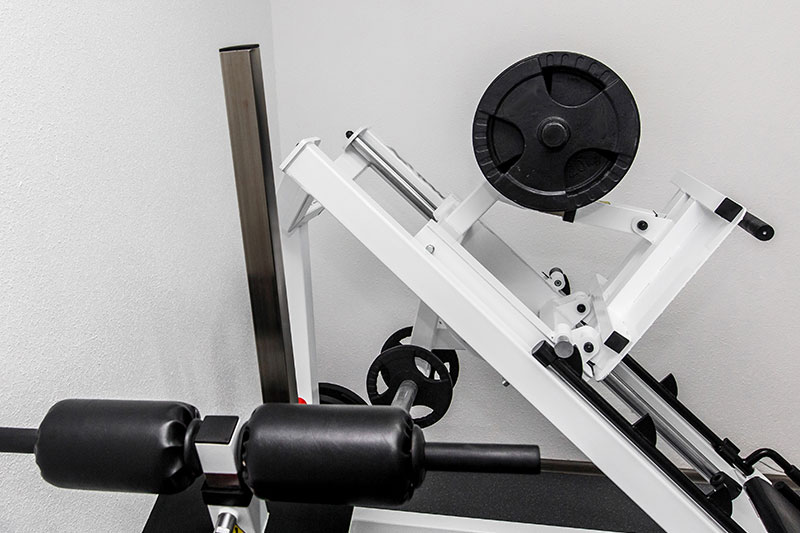
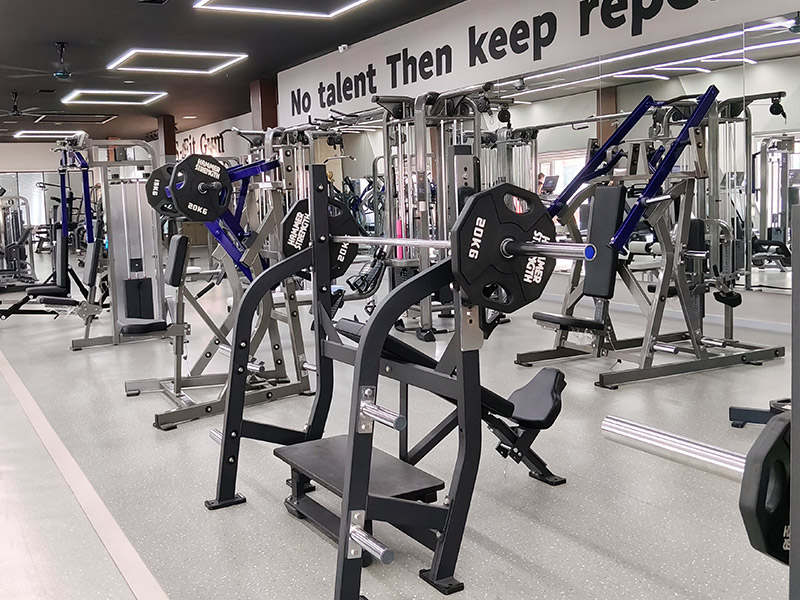
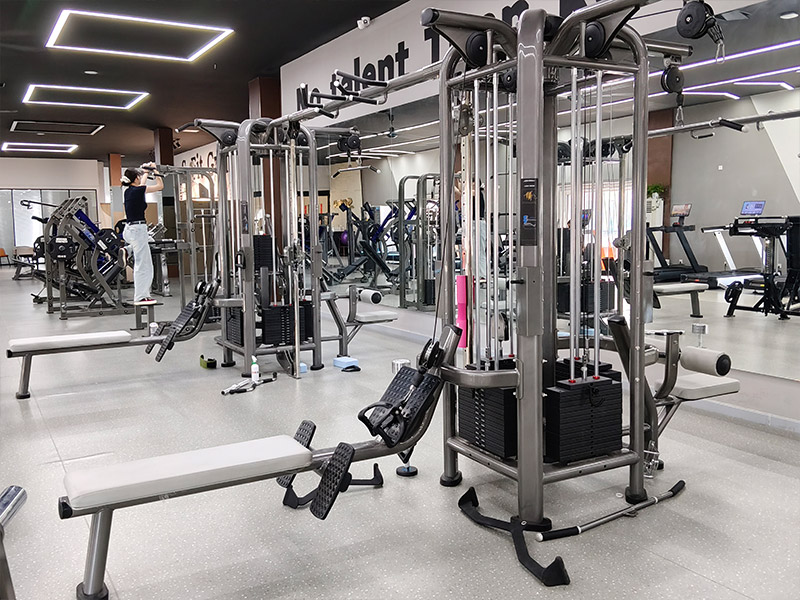
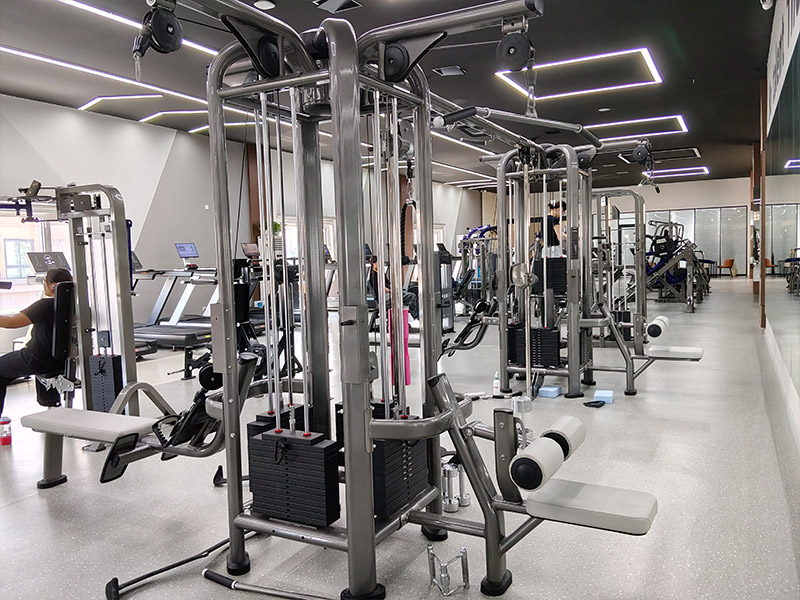
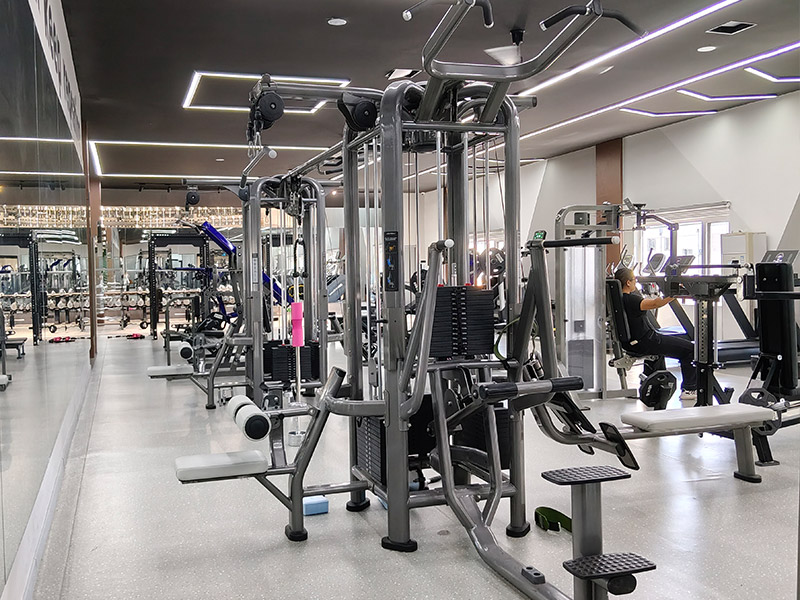
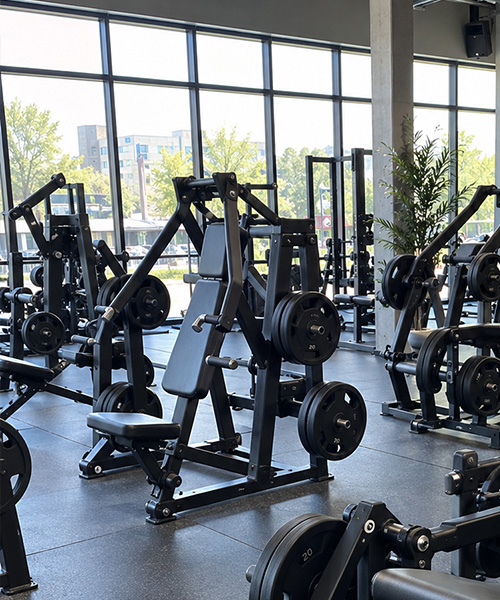
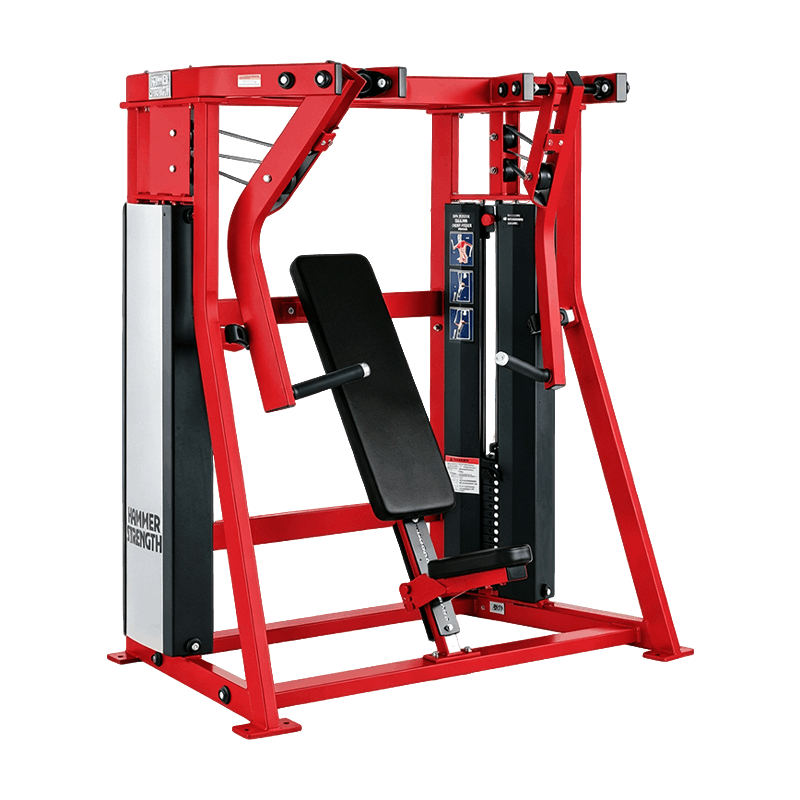
A plate-loaded strength machine uses compatible weight plates placed on loading points. Members add or remove plates to change the external load. A selectorized machine normally uses a built-in weight stack with a selection mechanism, allowing users to choose a resistance setting without carrying individual plates to the station.
That difference affects the experience around the machine as well as the exercise itself. Plate availability, storage, adjustment instructions, queueing, and maintenance access should all be considered. Neither loading method alone establishes build quality or suitability for your facility.
Match the machine to your member experience
Start by listing who will use the equipment and how much assistance they receive. Consider first-time members, regular strength-training users, coached groups, and people who may find handling plates difficult. Ask staff where members currently need help and which stations create confusion during busy periods.
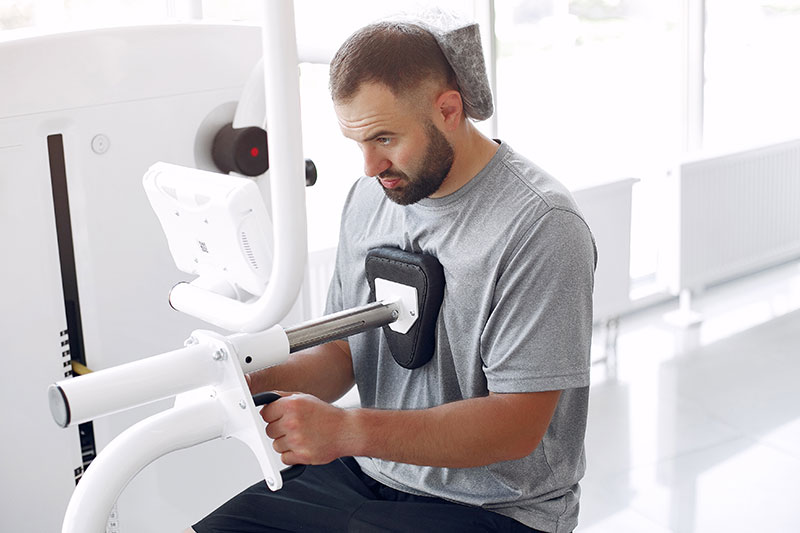
Selectorized machines can make resistance changes more convenient because users usually adjust a selector instead of moving plates. They still need clear setup instructions, appropriate adjustment ranges, and staff orientation. A weight stack does not remove the need to check that a member can use the machine as intended.
Plate-loaded machines require members to handle and store plates. Evaluate whether loading points are easy to reach, whether the unloaded movement suits intended users, and whether compatible plates are available nearby. Confirm the exact model’s instructions, limits, and starting characteristics with the supplier.

Plan for peak-hour changeovers
Observe how members move through a typical session. If a station serves many users with different resistance requirements, the steps required to change the setup can affect the queue. Trial the actual machine with staff rather than assuming the loading category tells the whole story.
For plate-loaded stations, include time to retrieve, load, unload, and return plates. For selectorized stations, check how clearly the selector and adjustment points are marked. In both cases, seat settings, entry and exit, and equipment location may matter as much as the resistance system.
Compare usable space rather than frame dimensions
Request the installed dimensions and the manufacturer’s required operating and service clearances for every proposed model. Include the movement envelope, space for users to enter and leave, and access needed by staff. A compact frame does not necessarily produce a compact operating area.
Plate-loaded areas also need accessible plate storage and a plan for moving plates without obstructing circulation. Selectorized units have their own access requirements around weight stacks, guards, cables, and adjustments. Place these requirements on your floor plan before finalizing the equipment order.
Evaluate resistance and adjustment on the exact model
Do not compare printed load numbers as if they represent an identical training experience. Lever geometry, pulley arrangements, starting resistance, and movement design can change how a machine feels. Ask the supplier to explain what each displayed value represents and how users should adjust it.
During an equipment trial, check whether the intended users can find a suitable seat position, reach the handles or pads, enter and exit comfortably, and follow the setup instructions. Record observations consistently. Avoid treating a single staff member’s preference as proof that the machine fits every member.
Budget for ownership and maintenance
Create a quotation comparison that separates equipment price from plates, storage, transport, installation, staff orientation, maintenance, replacement parts, and service support. Ask which items are included and which are optional. A lower machine price can become less attractive when essential accessories are missing from the quote.
Compare the maintenance instructions and parts support for each model. Selectorized equipment may include cables, pulleys, guards, and a weight-stack mechanism; plate-loaded equipment still has moving joints, adjustments, pads, and other components requiring inspection. Neither category should be described as maintenance-free.
Request model-specific manuals, parts identification, warranty terms, and the service contact before ordering. Keep a written record of what the supplier has actually confirmed, rather than assuming every machine from one range has the same coverage.
Build a balanced commercial gym equipment mix
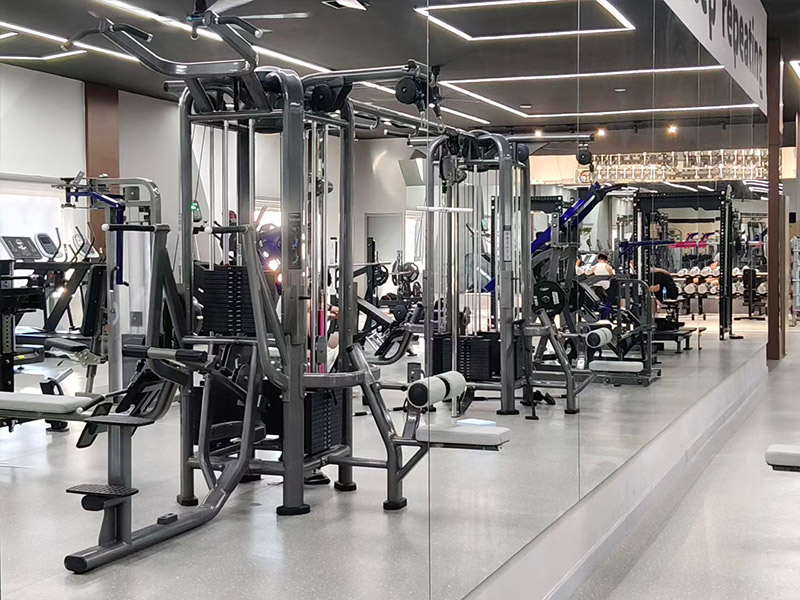
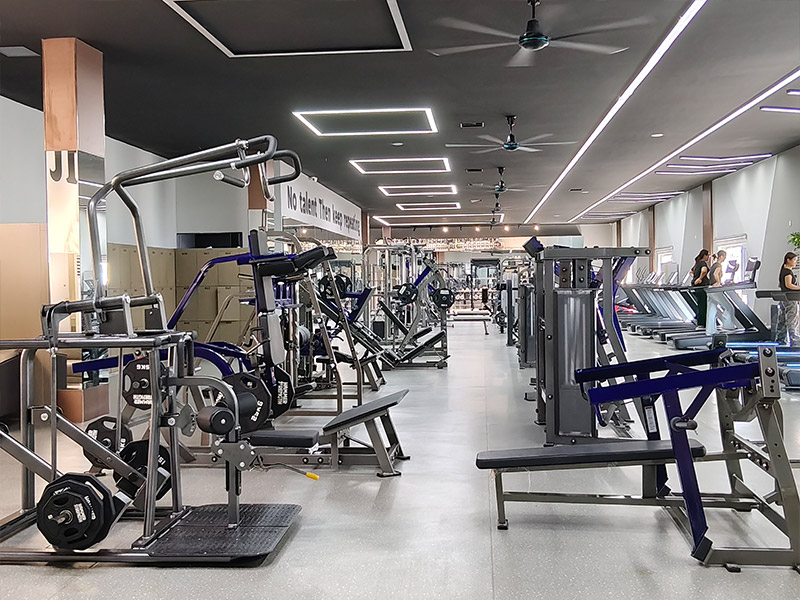
A mixed strength area can serve different preferences when each machine has a clear role. For example, a facility might prioritize straightforward resistance changes in one area and provide plate-loaded stations where member demand and plate-handling arrangements support them. Validate the mix against your own attendance patterns and floor plan.
Avoid purchasing duplicate stations simply because they look different. Compare movement roles, expected demand, setup time, and usable space. Our guide to commercial gym equipment planning can help structure the wider equipment discussion.
Use a consistent supplier comparison checklist
For each shortlisted model, record the loading method, intended role, dimensions and clearances, adjustment range, supplied accessories, installation requirements, maintenance documentation, parts support, and written warranty. Ask for clarification whenever a specification is ambiguous.
Then rank the models against the same operating brief. Weight the criteria that matter to your facility, such as member setup, available space, peak-hour use, or service access. The comparison should explain why a machine earns its place on the floor.
For a deeper supplier review, read how to choose a commercial gym equipment manufacturer. When you request a quotation, include your member profile, floor-plan constraints, intended machine mix, and service expectations. That information makes the response more useful than a request for a price list alone.
If you need fitness equipment or other services, please contact us!
Email: zhiningfitnessoffical@zhiningfitness.com
WhatsApp: +86 17852510552
Facebook: https://www.facebook.com/profile.php?id=61594381827546
Conclusion
Choosing between plate loaded vs selectorized machines depends on your gym’s target users, training goals, available space, and budget. Plate loaded machines are ideal for strength-focused training, experienced lifters, and facilities that want to provide a free-weight-style experience with guided movement. Selectorized machines offer convenient weight adjustments, easier operation, and a user-friendly training experience, making them suitable for beginners, personal training studios, and busy commercial gyms.
When comparing plate loaded vs selectorized machines, gym owners should consider more than the initial purchase price. Factors such as durability, maintenance requirements, user experience, equipment versatility, and long-term operating costs all influence the value of an investment. For many commercial fitness facilities, combining both machine types is an effective way to meet different training needs and attract a wider range of members.
Before making a purchasing decision, evaluate your business model, available floor space, and members’ preferences. Choose reliable commercial fitness equipment from an experienced manufacturer to support consistent performance, long-term durability, and efficient gym operations.
FAQ
What is the main difference between plate loaded vs selectorized machines?
The main difference between plate loaded vs selectorized machines is how users adjust resistance. Plate loaded machines use weight plates that users add or remove manually, while selectorized machines use a weight stack adjusted with a pin. Plate loaded machines appeal to strength-focused users, whereas selectorized machines offer greater convenience for quick weight changes.
Are plate loaded machines better than selectorized machines for building muscle?
Both machine types can support muscle growth when used with appropriate resistance, training volume, and proper technique. Plate loaded machines often appeal to experienced lifters who prefer loading weight plates and progressive strength training. Selectorized machines make it easier to adjust resistance in smaller increments, helping users maintain consistent training progress.
Which machines are better for commercial gyms?
When comparing plate loaded vs selectorized machines for commercial gyms, the best choice depends on the target audience and facility positioning. Plate loaded machines are well suited to strength-focused gyms, while selectorized machines are useful for facilities serving beginners, general fitness members, and personal training clients. Many commercial gyms benefit from offering both options.
Are plate loaded machines cheaper than selectorized machines?
Plate loaded machines may have a lower initial purchase cost for some models because they do not require an integrated weight stack. However, the final price depends on machine design, materials, brand, and manufacturing quality. Buyers should also consider the cost of weight plates, maintenance, installation, and long-term equipment durability when comparing plate loaded vs selectorized machines.
Should a gym buy plate loaded or selectorized machines first?
A gym should prioritize equipment based on its target members, training programs, and available budget. New gyms serving a broad audience may benefit from starting with essential selectorized machines for accessible strength training, then adding plate loaded machines for more specialized workouts. Strength-focused facilities may choose to invest in plate loaded equipment earlier. A balanced equipment plan can help gyms serve different experience levels and training preferences.